Changing Lives at Home Mental Health Baltimore
Changing Lives at Home Mental Health Baltimore runs residential rehab and outpatient care on Garrison Boulevard. The center holds 2-5 beds and is one of 422 SAMHSA-listed facilities in Maryland. Families can call our helpline for questions.
- Joint Commission
- Outpatient
- Residential Rehab
- 30 days
Changing Lives at Home Mental Health serves adolescents and adults in Baltimore who are dealing with emotional challenges, psychiatric conditions, and substance use disorders. Its work combines outpatient services, residential programming, and in-home care, so people can receive support in settings that feel familiar and accessible rather than clinical and distant. The center is one of 422 SAMHSA-listed Maryland drug alcohol rehab facilities serving city residents.
Treatment planning here begins with an assessment and is built around each person rather than a fixed script. Clinicians use evidence-based methods and adjust the plan as needs change. Staff hold credentials, and the program encourages family involvement alongside individual work. This Baltimore rehab pairs residential and outpatient care in one setting, which lets a family move between levels of care without starting over somewhere new.
The group home side of the program is designed for adolescent girls ages 15 to 19. Residents keep going to school, attend therapy, and join recreation and life-skills activities. Staff are on site around the clock, and the goal includes stability over time and reunification with family where that is possible.
Services and therapies you can expect
The center offers residential rehab and outpatient care, and the two can work together across a treatment stay. Residential care provides a structured setting with 24-hour staffing, while outpatient treatment lets someone live at home and come in for sessions. Outpatient treatment in Baltimore can follow a residential stay so support continues as daily life resumes. If a person needs a step down from residential care, then outpatient sessions can provide ongoing structure without a full discharge.
Therapy options include individual counseling and cognitive behavioral therapy, family therapy, and groups, along with life skills work and psychoeducation. The program also uses Twelve Step facilitation and AA/NA meetings. Families should ask which therapies fit their situation, because the mix depends on each person's assessment. Families can join therapy sessions at this Baltimore rehab center, which helps relatives understand the plan and practice new ways of talking with each other. When a family member takes part in counseling, the home environment can become more supportive after discharge.
- Group Therapy
- Family Therapy
- Psychoeducation
- Family Involvement
- Twelve Step Facilitation
- Life Skills
- Twelve Step
- Individual Treatment
- Cognitive Behavioral Therapy
- 1-on-1 Counseling
Who Changing Lives at Home serves
- Adolescents, including a group home for girls ages 15 to 19
- Young adults and adults of any gender
- Men and women seeking residential or outpatient care
- People with depression, trauma, or co-occurring conditions
- People dealing with opioids, heroin, cocaine, benzodiazepines, prescription drugs, or synthetic drugs
The Garrison Boulevard setting
The center sits at 4805 Garrison Boulevard on the first floor in Baltimore. The group home holds 2-5 beds with shared bedrooms and bathrooms, air-conditioned rooms, and private or shared room options. Residents attend school and join recreation and life-skills activities as part of the day. This small Baltimore residential program keeps the setting close to home, which matters for families who want regular contact and for teens staying connected to school. If a teen remains enrolled locally, then school staff and the treatment team can coordinate more easily.
Paying for care at the Baltimore center
The center lists private-pay rates, and families should confirm current costs and any other accepted coverage directly with staff before committing. If insurance is part of the picture, then ask which levels of care the plan covers and whether residential and outpatient are handled differently. Ask the Baltimore center which payment options apply to your program, and get the answer in writing. For anyone weighing Medicaid, the state program's rules decide eligibility and coverage, so check with Maryland's Medicaid office rather than assuming.
Questions to ask Changing Lives at Home
- Is the residential program suited to a teen, an adult, or both, and what does the daily schedule look like?
- Which therapies would be included in my family member's plan, and how often do sessions happen?
- How does the center coordinate with school for an adolescent resident?
- How much are the cash pay rates, and which insurance plans does the center accept?
- How does the program handle aftercare, including outpatient treatment and support meetings, when someone leaves?

Other options in Baltimore
-
Humble Beginnings Recovery
5.0/551 Google reviews
Baltimore, MDUsual stay 30 days
- Residential Rehab
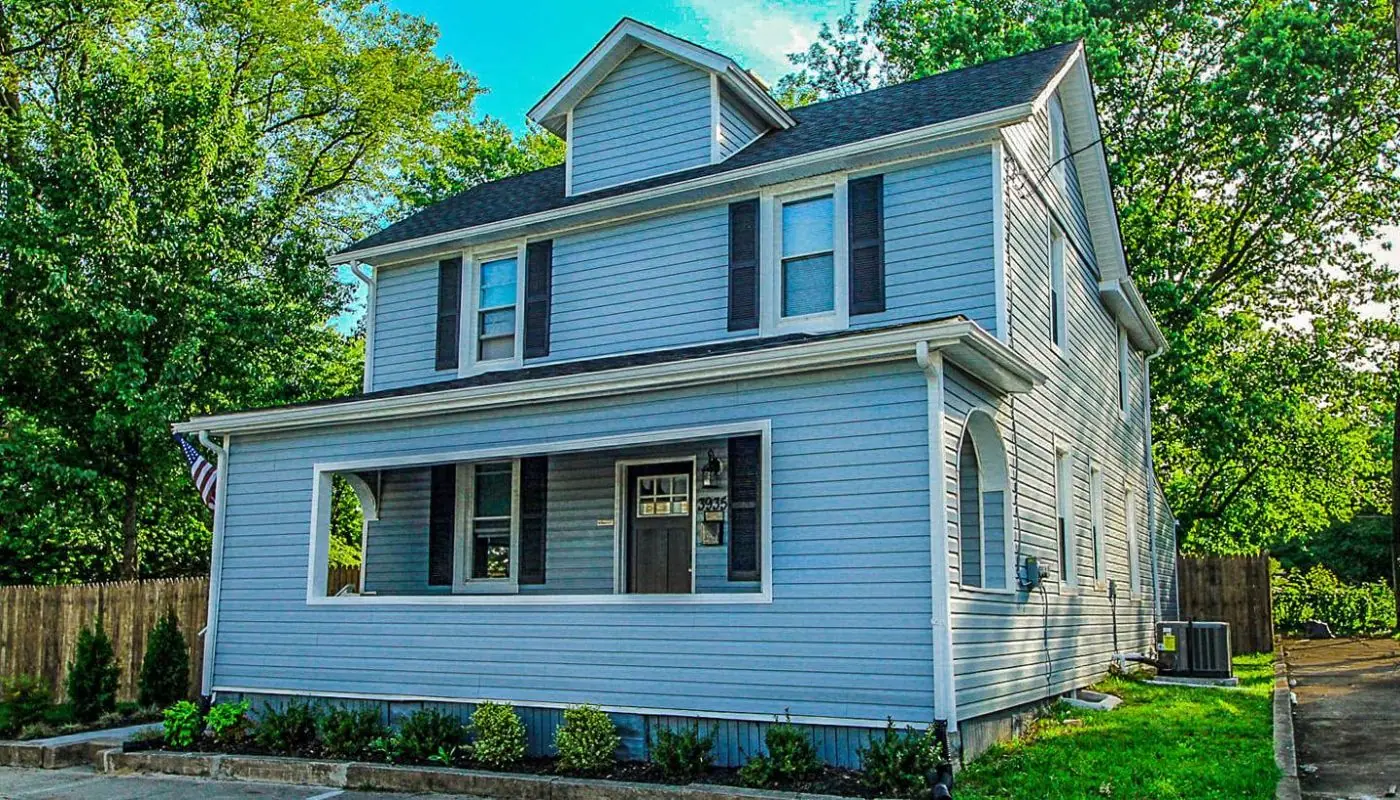
Humble Beginnings Recovery Baltimore serves men in a residential setting on Southern Avenue.
-
Baltimore, MDUsual stay 30 days
- Outpatient
- Co-Occurring Mental Health
Associated Catholic Charities Baltimore operates an outpatient clinic serving people with substance use and mental health needs.
-
Northern Parkway Treatment Services
3.1/516 Google reviews
Baltimore, MDUsual stay 30 days
- Outpatient
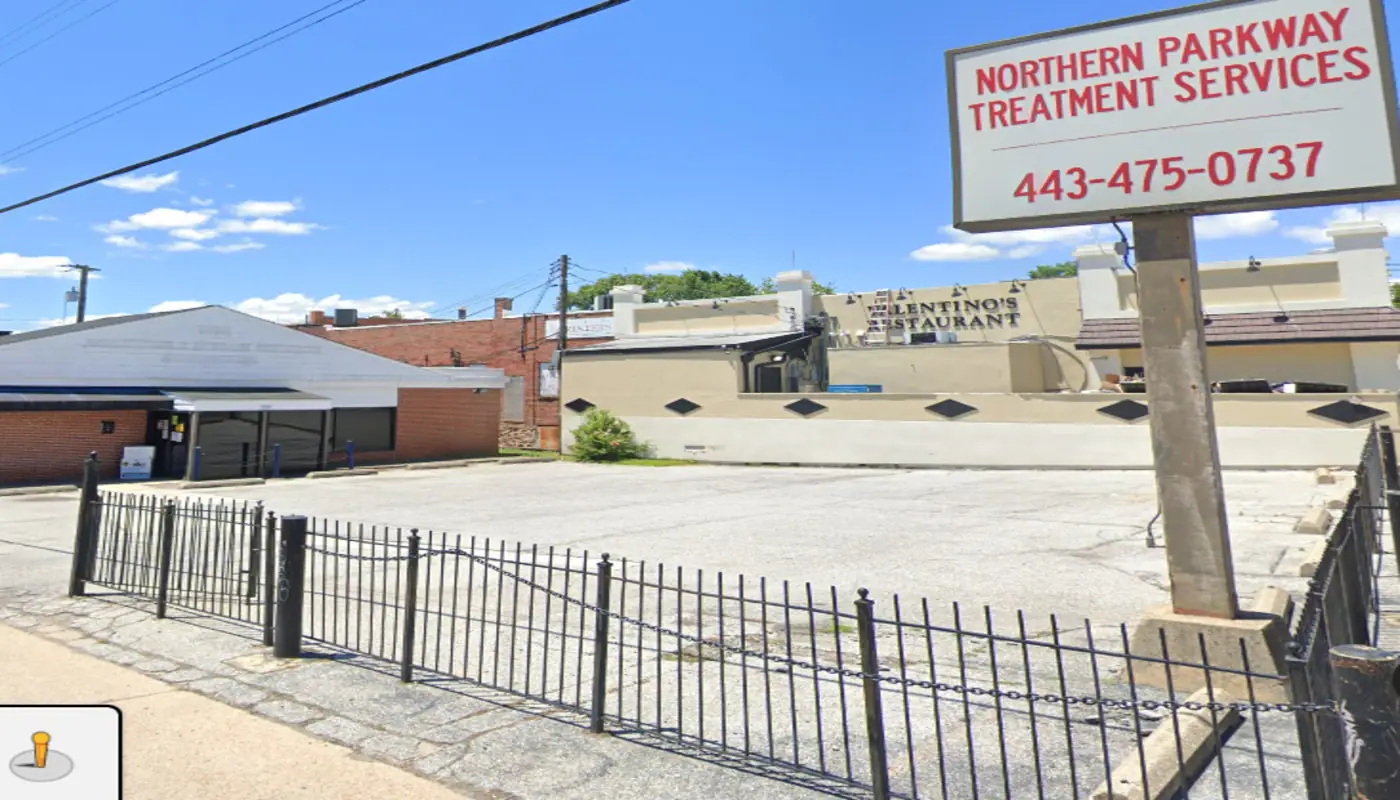
Northern Parkway Treatment Services is an outpatient program on East Northern Parkway in Baltimore.
-
By Grace Counseling Services
Joint CommissionBaltimore, MDUsual stay 30 days31-50 beds
- Outpatient
- Residential Rehab
- Detox
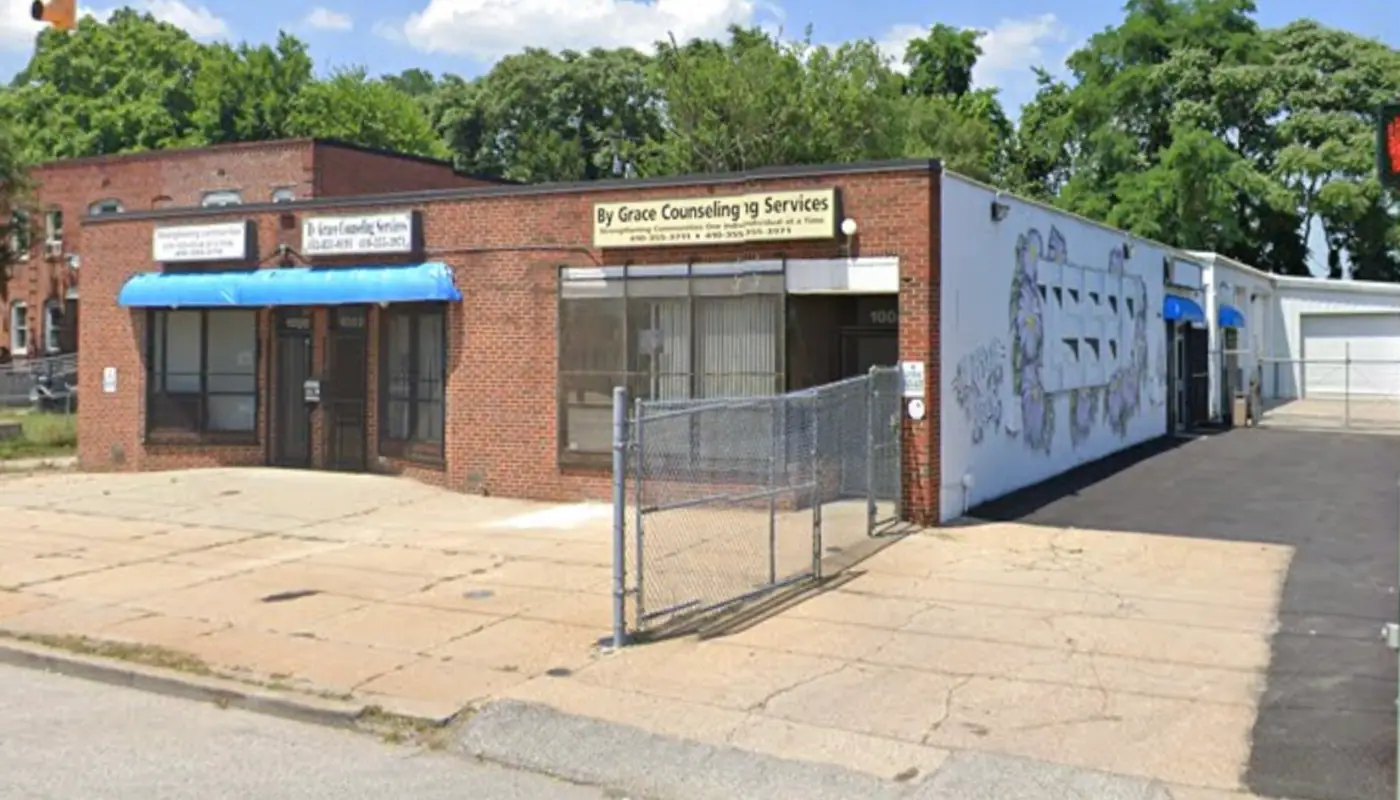
By Grace Counseling Services Baltimore is a treatment program on East Patapsco Ave.
-
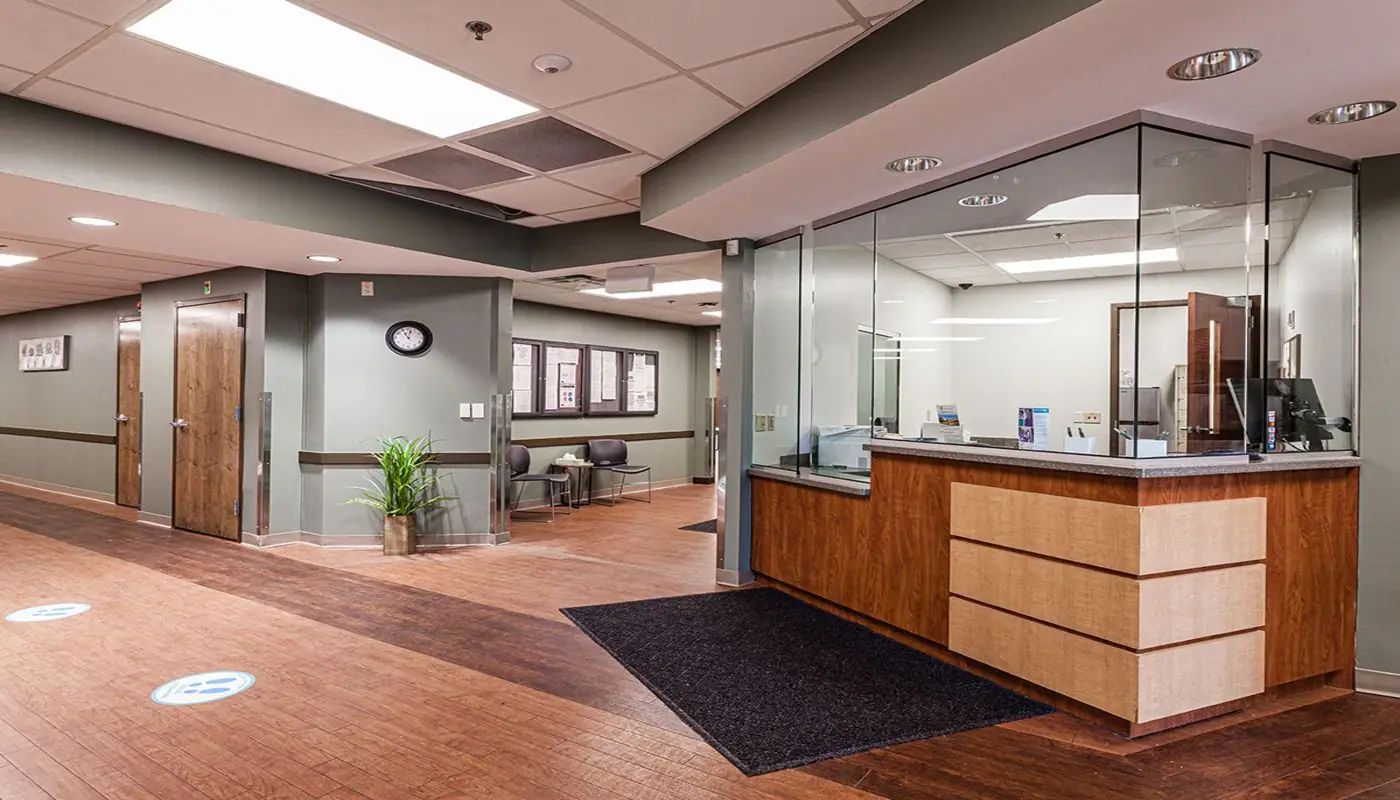
Pine Heights Comprehensive Treatment
4.4/559 Google reviews
Baltimore, MDUsual stay 30+ days
- Outpatient
Pine Heights Comprehensive Treatment Baltimore is an outpatient clinic located on Wilkens Avenue.
-
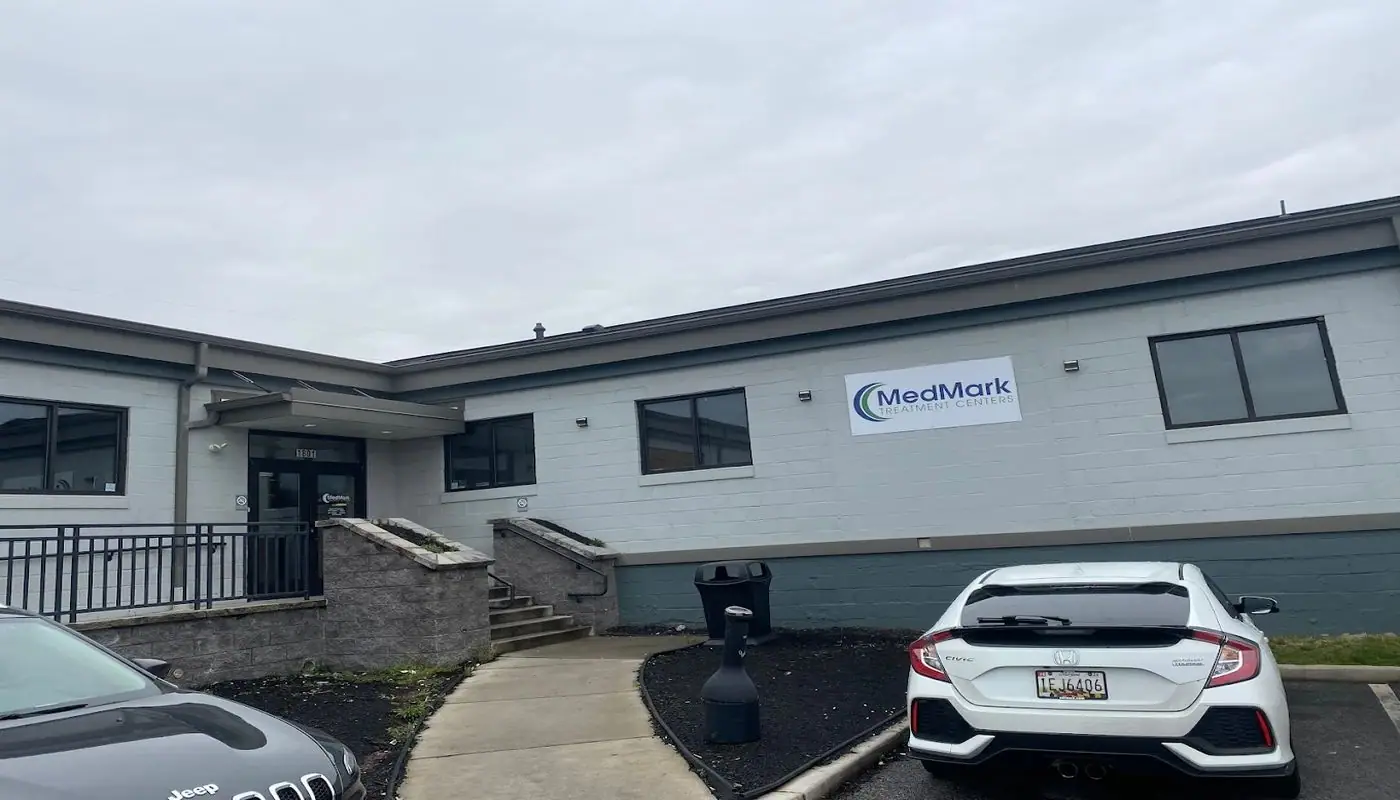
MedMark Treatment Centers Cherry Hill
3.2/538 Google reviews
Baltimore, MDUsual stay 30 days
- Outpatient
- Co-Occurring Mental Health
This page explains what Medmark Treatment Centers Cherry Hill Baltimore offers for opioid dependence.

Questions
What is Changing Lives at Home Mental Health Baltimore?
It is a Baltimore center offering residential rehab and outpatient care to adolescents and adults, accredited by the Joint Commission. It addresses substance use disorders along with depression, trauma, and co-occurring conditions. The group home serves adolescent girls ages 15 to 19 in a 2-5 bed setting with 24-hour staffing. Therapy includes individual, group, and family counseling.
How long do people stay in residential rehab at this Baltimore center?
A typical program length of 30 days is listed, though the actual stay depends on progress and the person's assessment. Residential care includes 24-hour staffing, school attendance for adolescents, therapy, and life-skills activities. Families should ask staff how length is decided and what happens if someone needs more time. Outpatient treatment can continue after residential care ends.
Does Changing Lives at Home accept Medicaid?
The center lists private-pay rates. Medicaid coverage depends on Maryland's state program rules and on the specific service, so confirm eligibility and accepted coverage with the center before enrolling. Ask whether residential and outpatient care are handled differently under a plan, and request the answer in writing so the family can review it.
What should a family ask before choosing this Baltimore rehab?
Ask which levels of care fit your family member, whether residential or outpatient is the right starting point, and which therapies the plan would include. Confirm costs, payment options, and how aftercare such as outpatient treatment and support meetings are arranged. Since withdrawal can be risky for some substances, ask how the center handles medical needs before admission.
How do I apply for the Maryland residential rehabilitation program?
Contact the center directly to ask about the application process and what information they need. The center serves adolescents and adults, with a group home for girls ages 15 to 19. Be prepared to discuss the person's needs and any insurance or payment questions. The center can explain its own intake steps and timeline.