Community Behavioral Health Salisbury
Community behavioral health Salisbury is the focus of this page. The center is one of 422 SAMHSA-listed facilities in Maryland. Its outpatient programs combine detox and mental health support for adults and teens.
- Joint Commission
- Outpatient
- Detox
- Co-Occurring Mental Health
- 30 days
Based in Salisbury, MD, Community Behavioral Health is a private outpatient center that handles substance use disorders alongside mental health conditions together. Instead of isolating one problem, its staff craft a plan addressing both, aiming to support you through one coordinated course of care.
The approach here is personal. Each person receives an individualized treatment plan, and group therapy is a core part of how services are delivered. The center describes its work as compassionate and comprehensive, meaning the emotional and practical sides of recovery are considered alongside the clinical ones.
Community behavioral health Salisbury
The Salisbury community behavioral health programs cover detox, outpatient treatment, and co-occurring disorders across three main levels. That range allows a person to shift from withdrawal support into continuing counseling without departing the Eastern Shore region. The center holds Joint Commission accreditation, meaning an external body has examined how its safety and quality checks are run.
Therapy offerings span group therapy, nutrition counseling, cognitive behavioral therapy, twelve step facilitation, individual counseling, trauma-specific therapy, family therapy, life skills and dialectical behavior therapy. Twelve step work appears as a program approach as well, so meetings and step study might be part of the weekly schedule. Outpatient drug and alcohol rehab in Maryland may start with medically watched detox at this Salisbury location before moving down to counseling. When you are unsure which level suits you, ask the helpline to help compare levels of care and call the center with your questions.
Families looking at Maryland drug rehab centers should know that quitting alcohol and benzodiazepines can be dangerous without a clinician nearby, and this center lists both among the substances it treats, along with opioids, cocaine, methamphetamine, and smoking cessation. Chronic relapse and co-occurring disorders are addressed too. Since withdrawal from alcohol or benzodiazepines can place a person at genuine medical risk, a licensed clinician ought to observe the process from beginning to end, not someone trying it alone at home.
- 1-on-1 Counseling
- Twelve Step
- Nutrition Counseling
- Dialectical Behavior Therapy
- Twelve Step Facilitation
- Life Skills
- Family Therapy
- Group Therapy
- Trauma-Specific Therapy
- Cognitive Behavioral Therapy
Who this Salisbury program is built for
- Adolescents and children who need age-appropriate substance use or mental health support
- Women, including those dealing with perinatal mental health concerns
- Men and young adults seeking outpatient care in Salisbury
- Older adults who want a program that understands age-related needs
- LGBTQ+ individuals looking for an affirming treatment setting
- People managing anger or trauma alongside a substance use disorder
Setting, length of stay, languages
When comparing Maryland addiction treatment centers, know that the typical program length here is 30 days, and care is given on an outpatient basis at 809 Eastern Shore Dr in Salisbury, MD. Both English and Hindi appear as spoken languages, which may matter to families wanting counseling in a language they prefer. Since the program is outpatient, people typically come to sessions during the day and then go home or to a sober living arrangement. Callers elsewhere in Maryland can ask the helpline whether the commute and schedule are workable before planning.
Paying for care at this Salisbury center
When you call about Maryland drug and alcohol rehab, ask if Medicaid is accepted and what cash pay covers, since this center lists cash pay rates and its SAMHSA listing shows Medicaid acceptance. Insurance terms and open slots shift often, so confirm both by phone before you plan around them. The helpline can aid you to prepare those questions and understand what the center asks for up front. This website doesn't diagnose or provide treatment to anyone; those who answer connect callers with licensed providers, and dialing costs you nothing and keeps your details private.
Questions to ask before admission
- Does the center take my insurance or Medicaid, and what will I pay from my own pocket?
- How is detox for alcohol or benzodiazepines handled, and who monitors withdrawal?
- What does a typical week look like across outpatient, group, and individual sessions?
- How are co-occurring conditions like trauma or anger treated alongside substance use?
- What aftercare is available, including continuing care, recovery coaching, and support meetings?
- Can sessions be arranged in Hindi or English, and are family sessions scheduled around work?
More centers for comparison
-
Safe Journey House
3.4/516 Google reviews
Hyattsville, MDUsual stay 30 days
- Residential Rehab
Safe Journey House Hyattsville is a residential program on Annapolis Road.
-
On Our Own of Howard County
4.9/514 Google reviews
Columbia, MDUsual stay 30 days
- Co-Occurring Mental Health
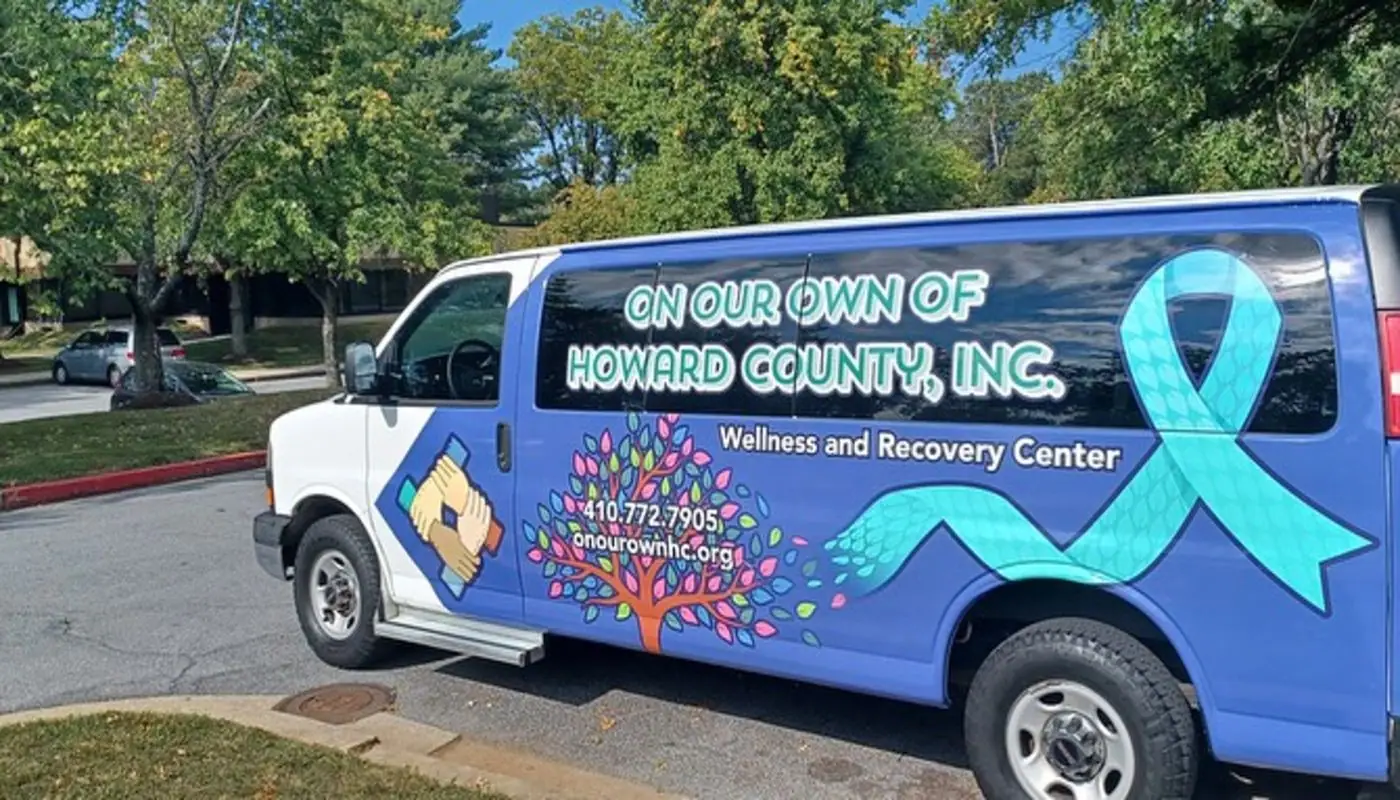
On Our Own of Howard County Columbia is a peer-run wellness center for people facing mental health and substance use challenges.
-
Humble Beginnings Recovery
5.0/551 Google reviews
Baltimore, MDUsual stay 30 days
- Residential Rehab
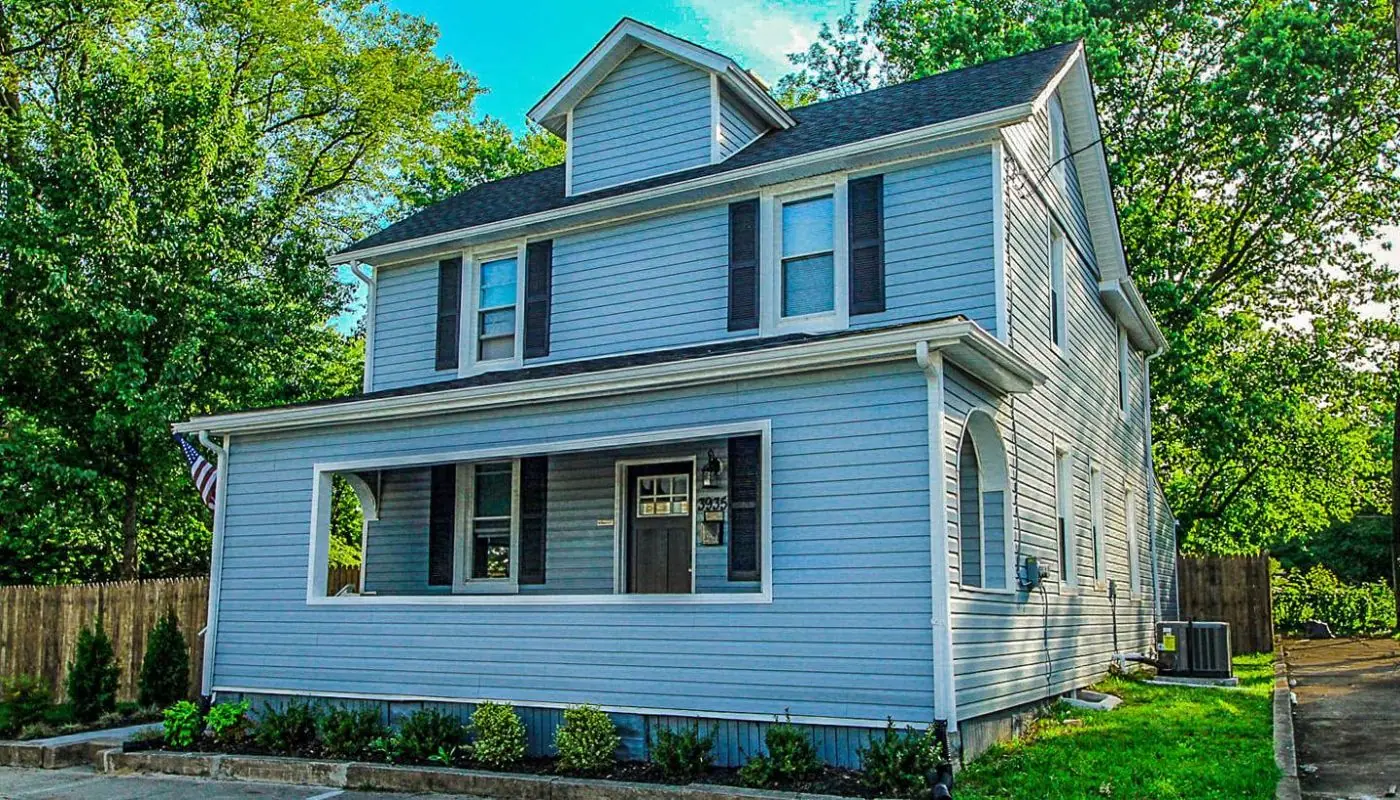
Humble Beginnings Recovery Baltimore serves men in a residential setting on Southern Avenue.
-
Worcester County Health Department
Joint CommissionPocomoke City, MDUsual stay 5 days
- Outpatient
The Worcester County Health Department Pocomoke City site is a publicly supported outpatient program.
-
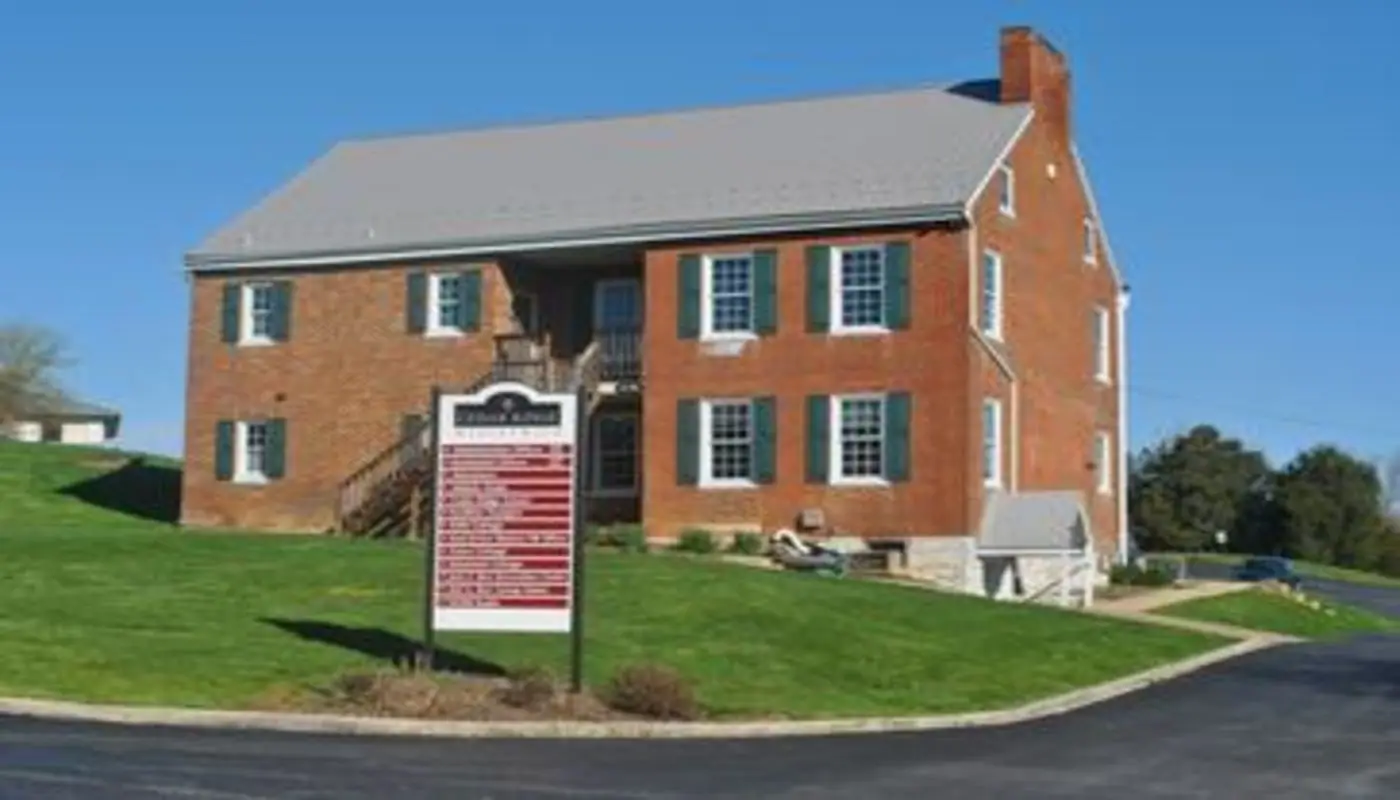
Cedar Ridge Ministries Childrens Home
1.0/54 Google reviews
Williamsport, MDUsual stay 30 days
- Residential Rehab
- Co-Occurring Mental Health
Cedar Ridge Ministries Childrens Home works with boys in rural Maryland.
-
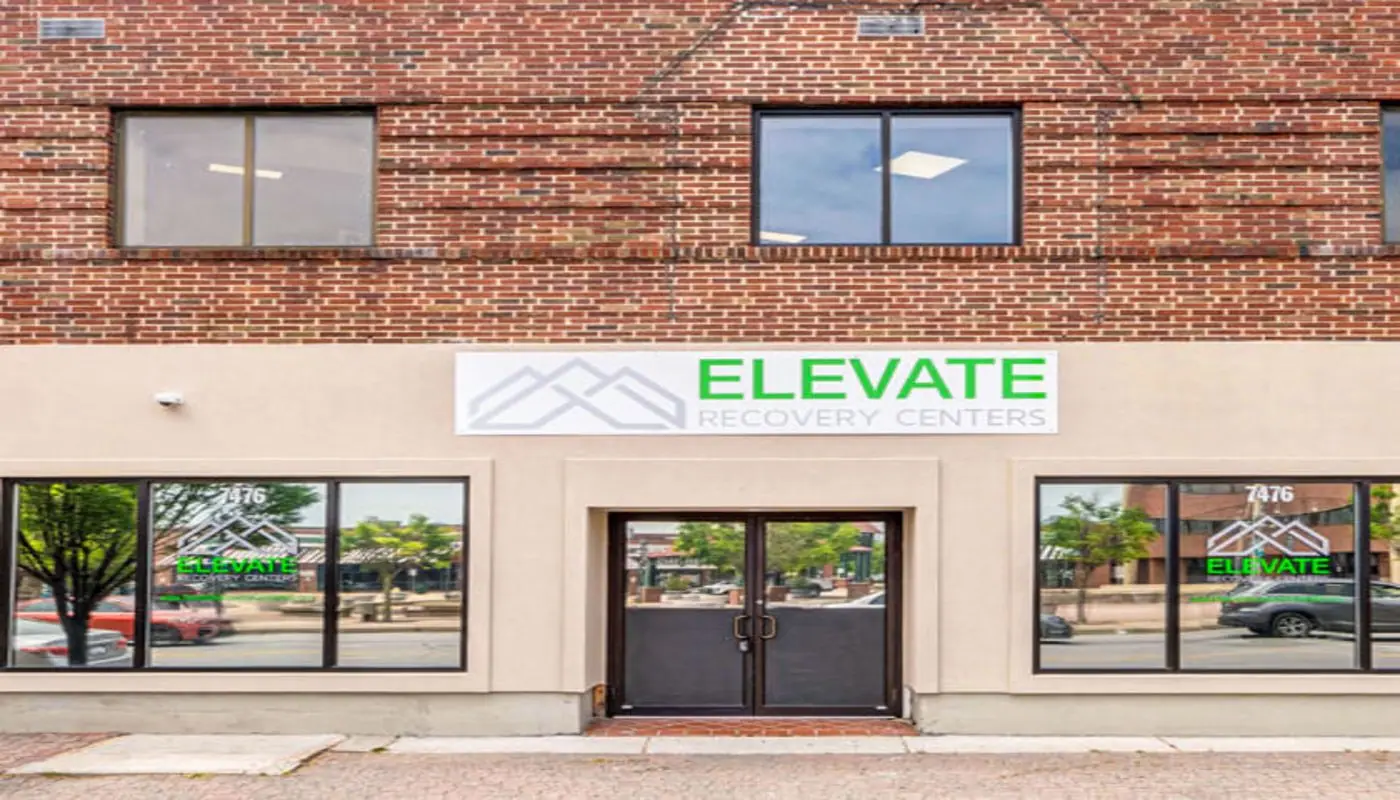
Elevate Recovery Centers
4.0/545 Google reviews
Glen Burnie, MDUsual stay 30 days
- Outpatient
- Co-Occurring Mental Health
When you are making calls on behalf of a family member or friend, questions tend to pile up fast.
Questions
What is community behavioral health Salisbury known for?
This private outpatient center in Salisbury provides care for substance use disorders and mental health conditions together rather than separately. Its SAMHSA listing notes detox, outpatient services, and co-occurring disorders, with a standard program duration of 30 days. The center is one of and carries Joint Commission accreditation 422 SAMHSA-listed facilities in Maryland. People it serves include adolescents, children, adults, older adults, LGBTQ+ individuals, men, and women.
Does Community Behavioral Health accept Medicaid?
The center's SAMHSA listing does show Medicaid acceptance, and cash pay rates appear there as well for those who pay out of pocket. Rules about coverage and the number of open slots shift, so call the center to confirm your benefits before you build plans around them. Our helpline can help you get questions ready about Medicaid and paying privately, at no cost and without committing to anything.
How long do people stay in outpatient rehab at this Salisbury center?
What is listed as typical is a 30-day program, though a person's own plan can vary according to their needs and how they progress. In outpatient care, someone attends sessions and goes home afterward instead of staying at the facility. Should a person require more time in treatment or a step down into continuing care, ask the center directly how schedules get adjusted.
What are some common reasons people go to rehab?
People often call because alcohol, opioids, benzodiazepines, cocaine, or methamphetamine use has started to affect work, health, or family life, and this center lists each of those among the substances it treats. Co-occurring conditions such as trauma, anger, or perinatal mental health concerns are another common reason. Speaking with a clinician can clarify which level of care fits the situation.
Can family members take part in treatment here?
Family therapy is one of the therapies the center lists, so loved ones may be able to join counseling sessions. Taking part can help everyone understand the plan and practice new ways of talking with each other. Ask the center how family sessions are scheduled and whether they fit around work or school. The helpline can help you raise this question when you call.