Eating Recovery Center Baltimore Residential Hunt Valley
Residential eating disorder care for families is available at Eating Recovery Center Baltimore Residential Hunt Valley. This Maryland center is accredited by the Joint Commission for its program of 30+ days. You can use a free helpline to check insurance coverage and availability.
- Joint Commission
- Residential Rehab
- 30+ Days
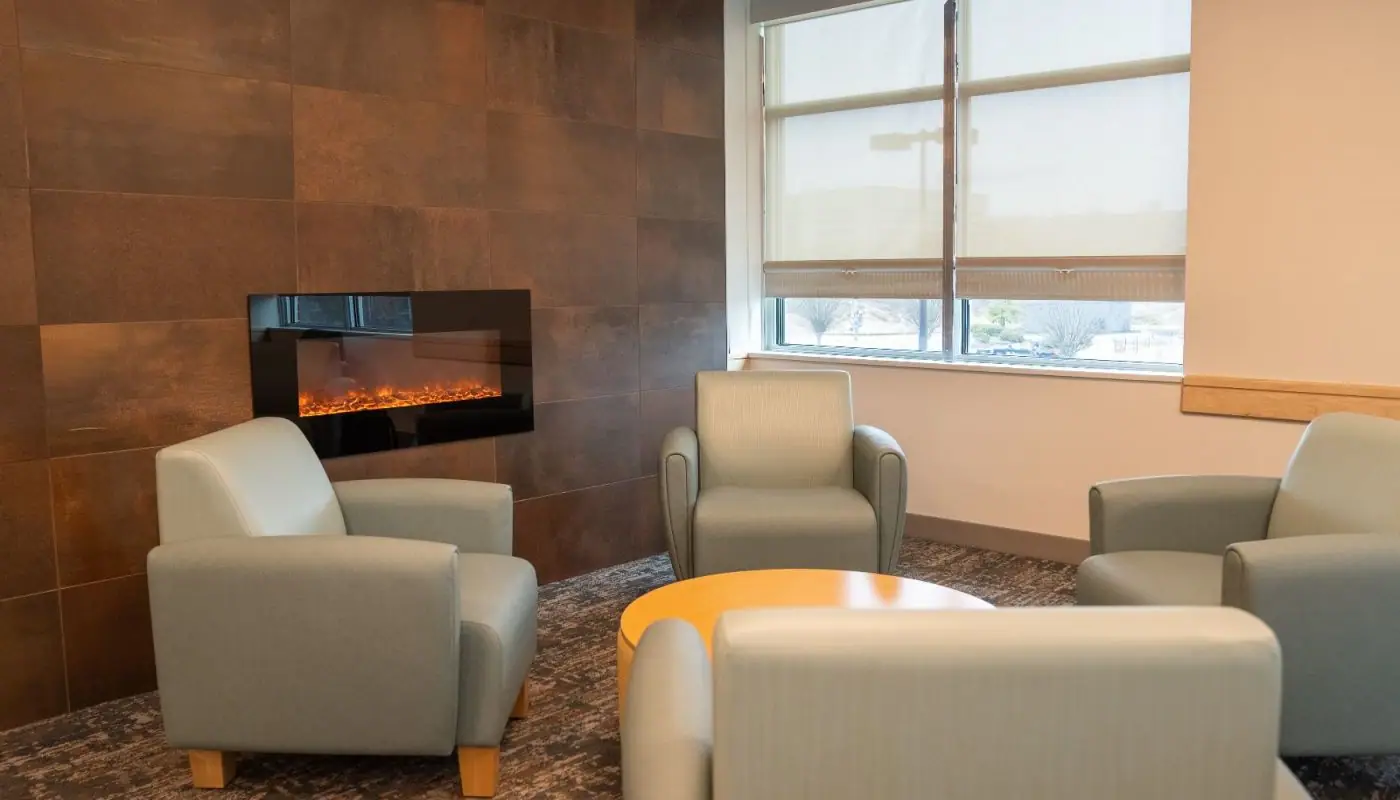
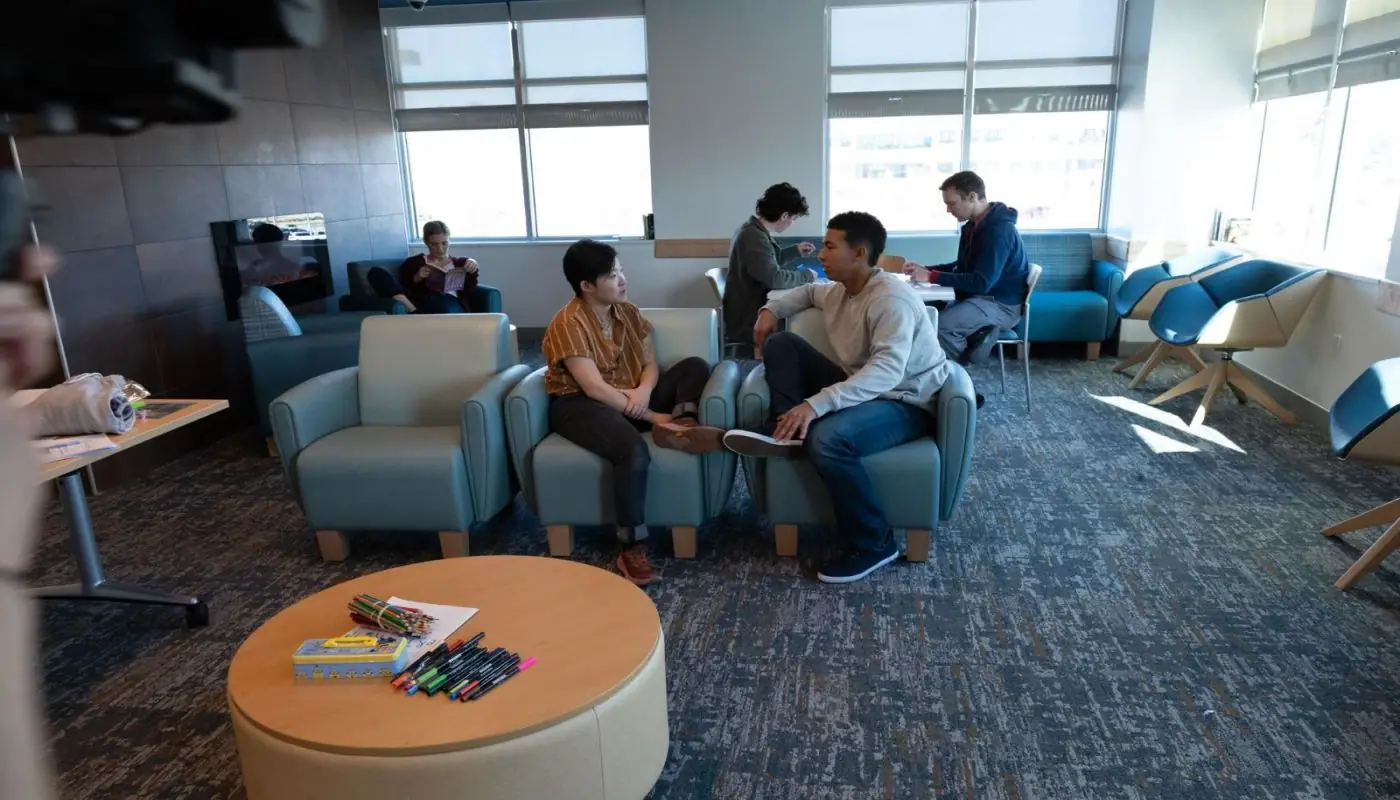

Eating Recovery Center Baltimore Residential treats children, teens, and adults of any gender who are medically stable and need organized care for an eating disorder. A team focused on eating disorders and co-occurring conditions provides monitoring at all hours, including medical and psychiatric attention. Each person's care follows a plan built for them, bringing together therapy, schooling, medical management, and the involvement of family.
Patients engage in therapies supported by evidence and develop practical skills for everyday recovery. Sessions with individuals, groups, and families allow patients to focus on their own goals, build stronger coping strategies, and gain insight from others dealing with similar difficulties. Registered dietitians provide structured meal planning that stresses variety, balance, and flexibility that works in real life.
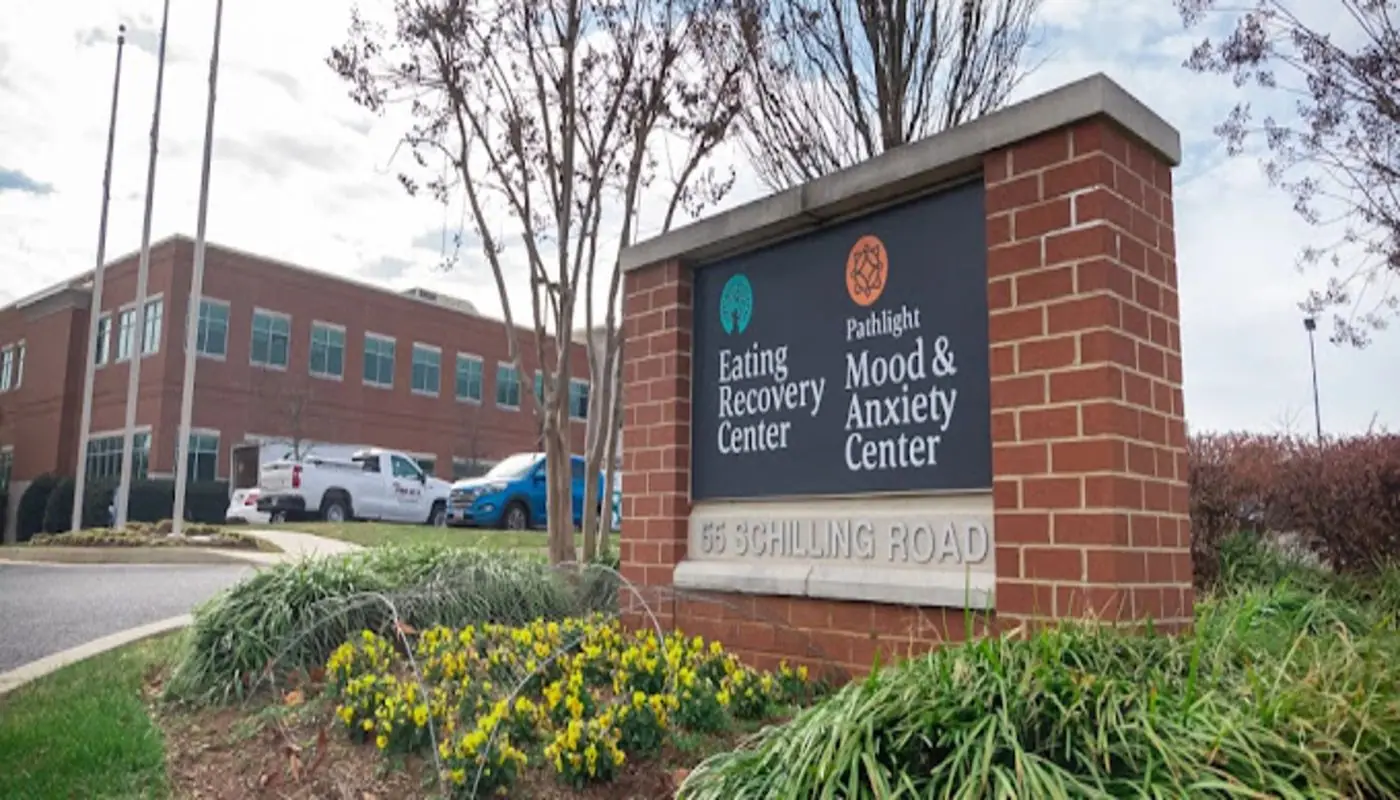
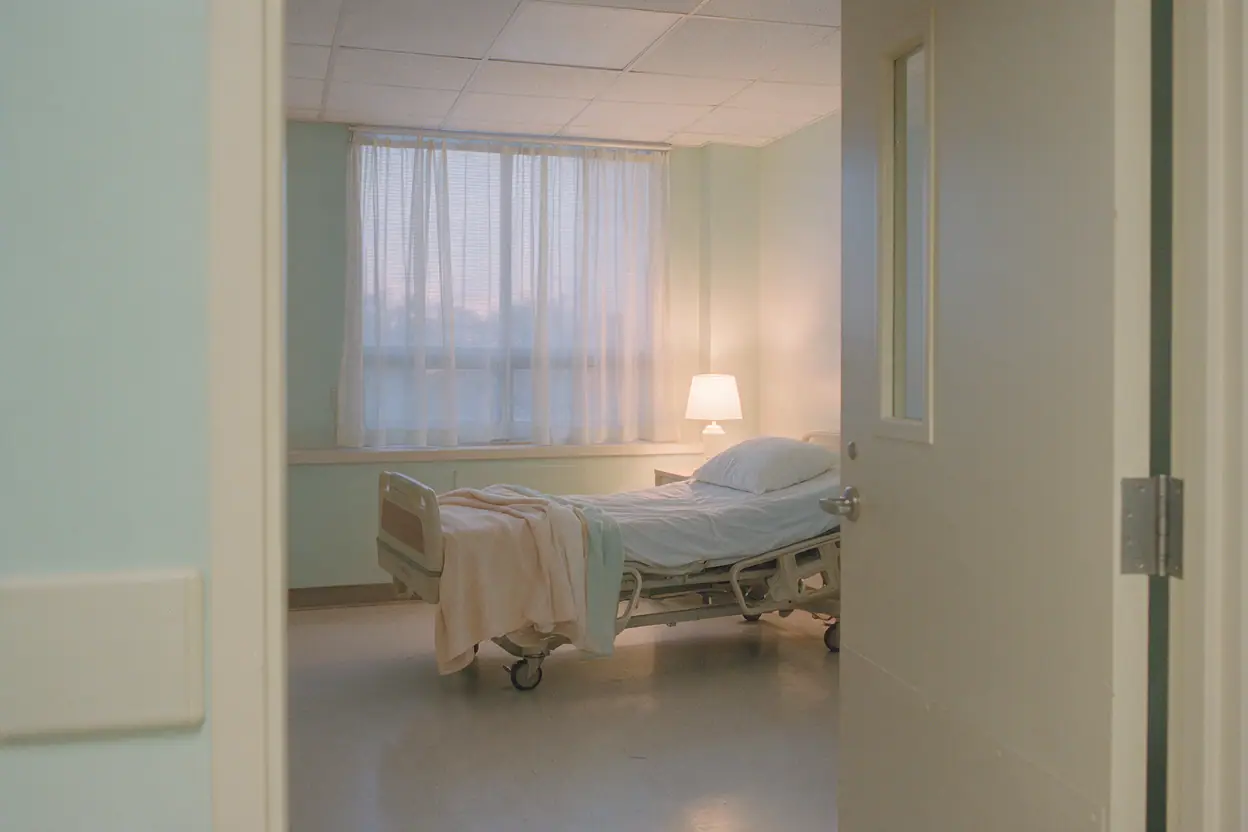
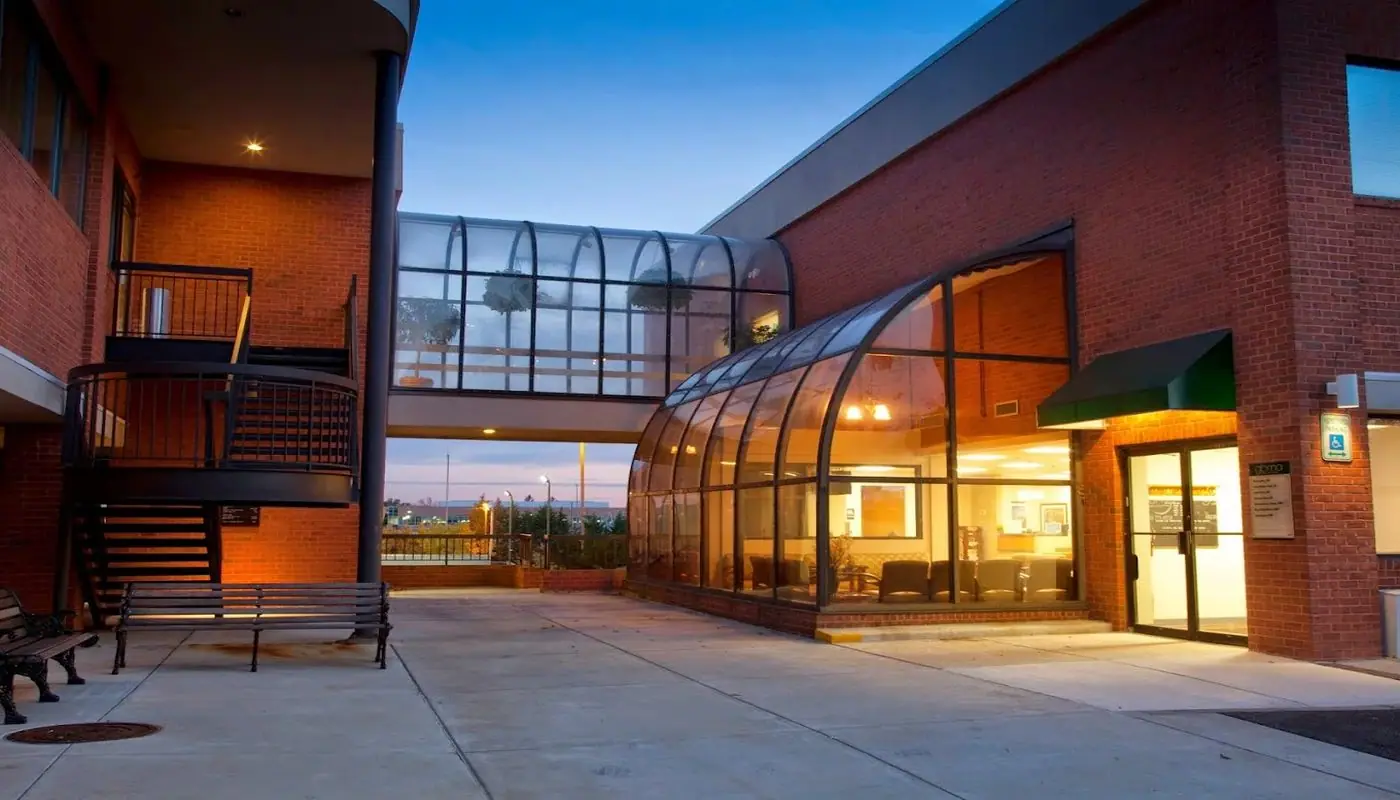
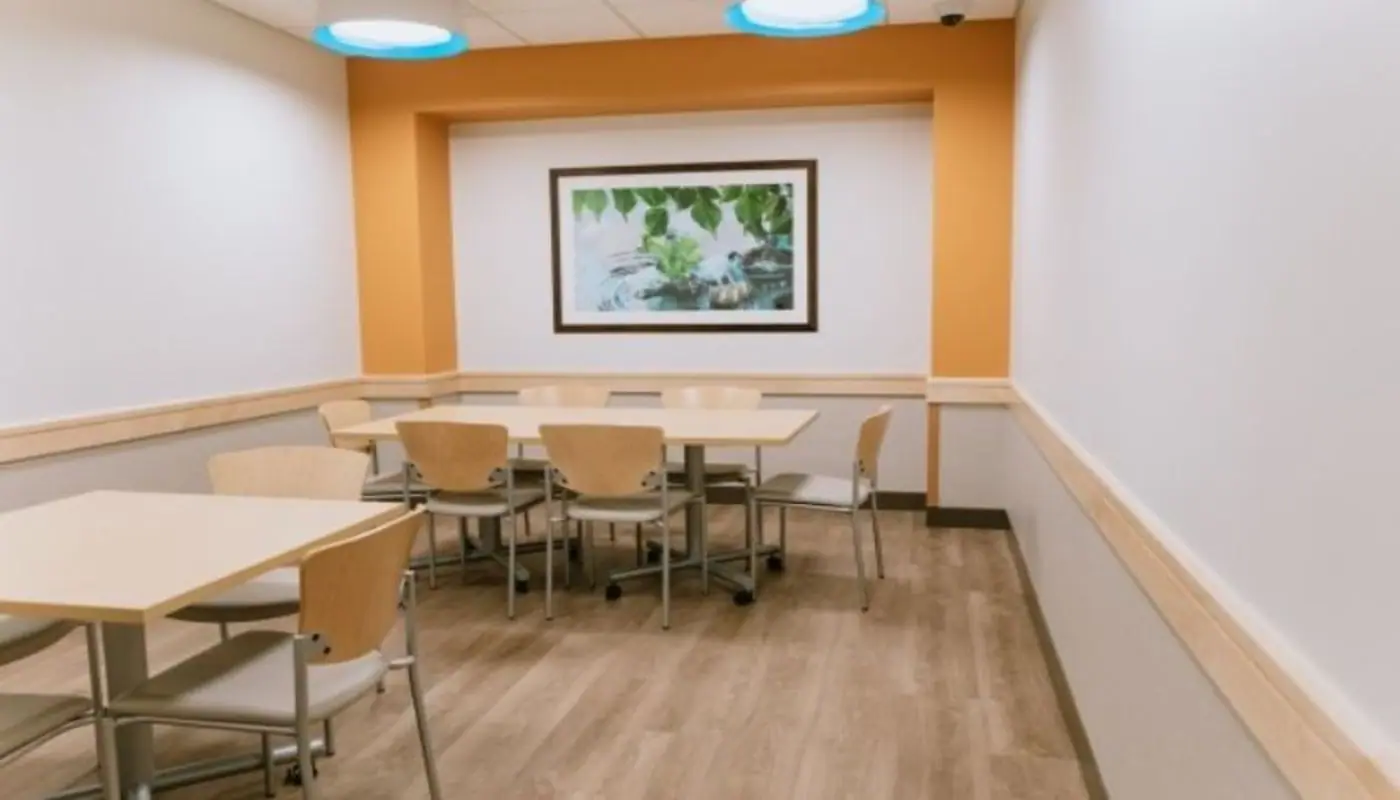
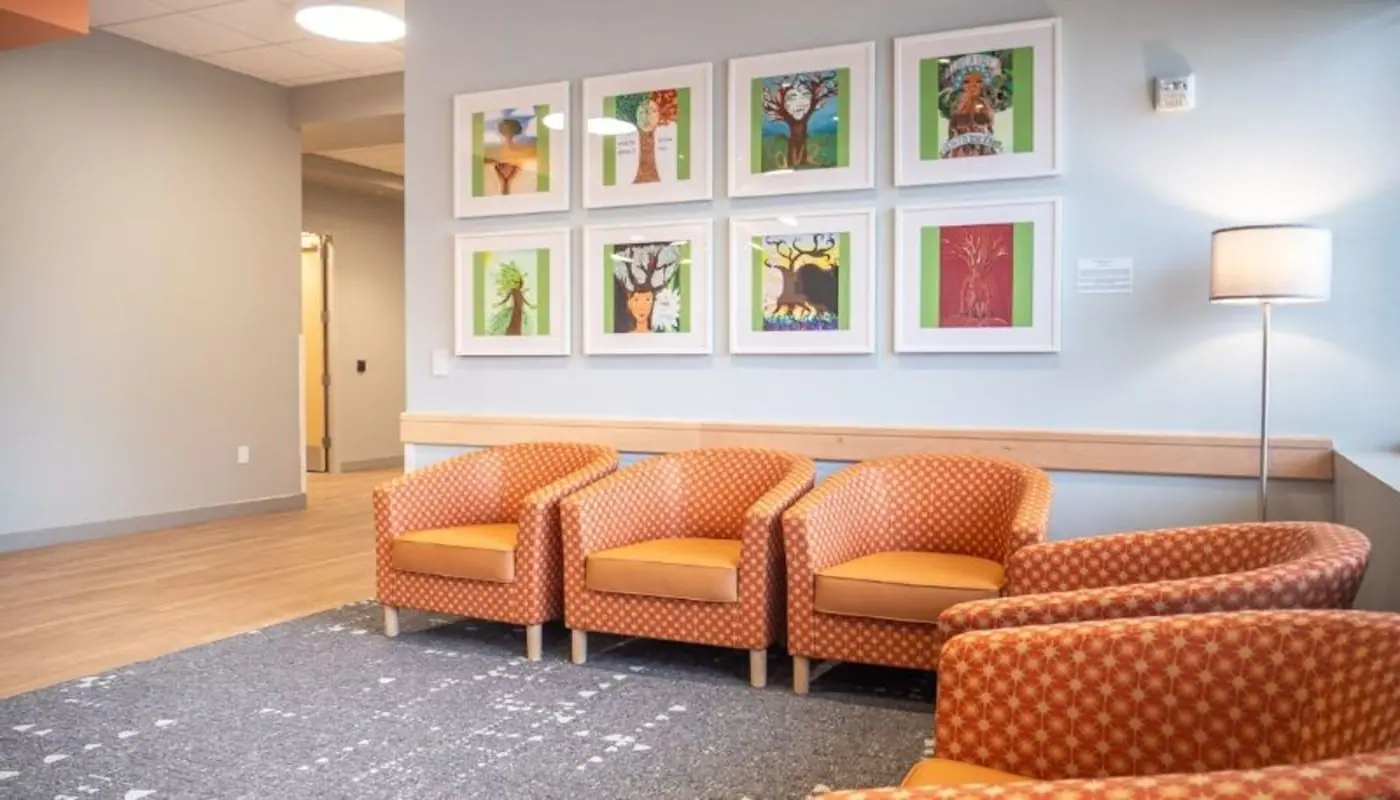
This location is in a calm suburban area north of Baltimore. Bedrooms are inviting, and the units for children and adolescents are planned with younger residents in mind. In a modern teaching kitchen, residents get hands-on experience with meal planning and managing emotions, and a welcoming café gives meals a setting that encourages mindful eating. Day treatment and intensive outpatient care are offered across the street. That step-down structure means people can keep receiving consistent support on one shared campus.
Residential programs and therapies
Residential rehab for eating disorders is available at the center, with typical stays of 30 days or more and Joint Commission accreditation. Therapy includes cognitive behavioral therapy, acceptance and commitment therapy, exposure therapy, internal family systems therapy, art therapy, family therapy, group counseling, one-on-one counseling, and nutrition counseling. The program draws on evidence and includes family while offering individual treatment.
When relatives aren't certain that residential care is the appropriate level, a call to the helpline can explain what this program provides and whether other Maryland rehabs could be a better fit. Eating disorders are treated together with co-occurring conditions at the center, so a dual diagnosis can be handled inside one plan. If a person needs a step down following residential care, outpatient programs across the street may offer continuity.
- Evidence-Based
- Acceptance and Commitment Therapy (ACT)
- Individual Treatment
- Nutrition Counseling
- 1-on-1 Counseling
- Art Therapy
- Internal Family Systems Therapy
- Group Therapy
- Exposure Therapy
- Family Therapy
Who the Hunt Valley program is for
- Children and adolescents who are medically stable and need 24-hour eating disorder support
- Adolescents and adults of any gender, including boys and girls
- People with co-occurring disorders alongside an eating disorder
- LGBTQ+ individuals seeking a residential program in Maryland
- Men and women who need structured meals and therapy in a supervised setting
Inside the Hunt Valley setting
Most stays run 30+ days, according to the center, and services are delivered in English at a suburban location just north of Baltimore. Among the comforts are meals made by a chef, a lounge, outdoor areas, and televisions; bedrooms have air conditioning and come as private or shared. Residents can join yoga and alternative meetings, and the units for children and teens are built with younger patients in mind. Mealtime practice happens in a teaching kitchen and a café, and day treatment plus intensive outpatient care sit directly across the street.
- Chef-prepared Meals
- TV
- Outdoor Space
- Lounge
Paying for residential care here
Cash pay rates are listed as one payment choice in the center's listing. Insurance coverage is not detailed in that listing, so families should call the helpline to check availability and verify benefits. The helpline costs nothing to use and is not a treatment provider. Callers are connected with trained advisors who can help them ask the right questions about admission and coverage.
Questions to ask before admission
- What does a typical day look like for my child's age group?
- How are medical and psychiatric needs monitored during residential care?
- What family involvement is expected, and how often do family sessions happen?
- How does the step-down to day treatment or intensive outpatient work?
- What insurance plans are accepted, and what will we owe once benefits have been verified?
Other options in Hunt Valley
-
GBMC at Hunt Valley
3.1/551 Google reviews
Hunt Valley, MDUsual stay 5 days
- Outpatient
GBMC at Hunt Valley is an outpatient clinic for people facing depression, anxiety, and trauma.
-
Hunt Valley, MDUsual stay 30+ Days
- Outpatient
This page describes Eating Recovery Center Baltimore Hunt Valley, an outpatient program for people with eating disorders.
-
Hunt Valley, MDUsual stay 30 days
- Outpatient
- Co-Occurring Mental Health
At Pathlight Mood & Anxiety Baltimore Hunt Valley, care is provided for individuals living with mood and anxiety disorders.


Questions
What is a residential rehabilitation program for eating disorders?
A residential rehabilitation program provides 24-hour care in a supervised setting. At this Hunt Valley center, residents stay for 30+ days on average and receive medical and psychiatric oversight, individual and group therapy, family therapy, and nutrition counseling. It is designed for children, teens, and adults who are medically stable but need structured support that outpatient care alone cannot provide.
How long do you stay in inpatient rehab at this center?
According to the center's listing, a usual stay is 30+ days. In practice, how long a person remains depends on what they need and how they are progressing, and the clinical team revises the plan over time. When you phone about intake, relatives can ask what shapes the length of stay and what lower-intensity options are offered, such as day treatment and intensive outpatient care located across the street.
Does Eating Recovery Center Baltimore Residential accept Medicaid?
Private-pay rates, but the available information does not state Medicaid acceptance. Since coverage varies, the safest step is to call the helpline and ask for a benefits check. The helpline is private and free, connecting callers with advisors who can help them confirm which payment options apply before making any commitment.
What makes this eating disorder program in Maryland different?
This is one of 422 SAMHSA-listed treatment centers in Maryland, and it holds Joint Commission accreditation. It focuses specifically on eating disorders for children, adolescents, and adults, with a teaching kitchen, café, and a step-down campus that includes day treatment and intensive outpatient care. The program also addresses co-occurring disorders and involves family throughout treatment.
What should I ask the center before admission?
Ask about daily schedules for your age group, how medical and psychiatric needs are monitored, what family involvement is expected, step-down options, and insurance verification. The helpline can help you verify availability and prepare these questions. A call commits you to nothing, and the helpline does not diagnose or provide treatment itself.