Total Healthcare Baltimore
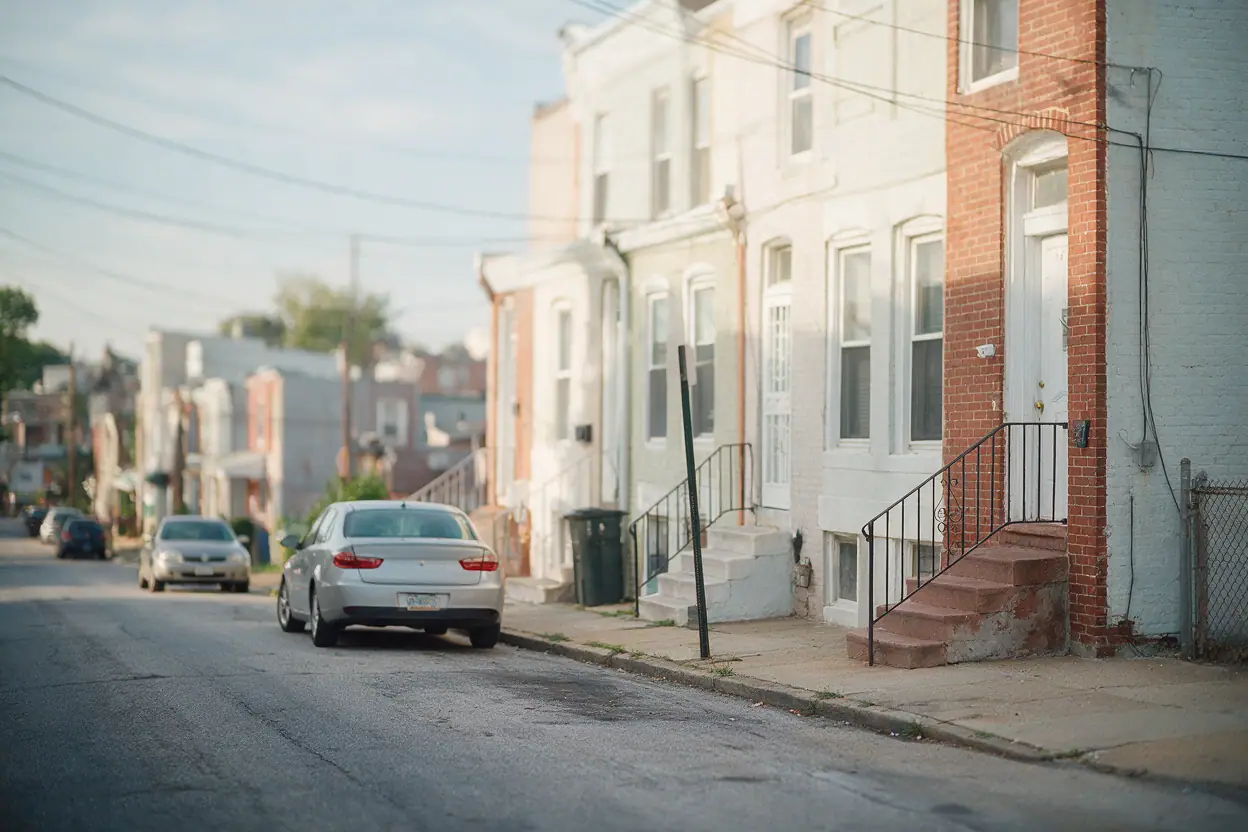
Total Healthcare is an outpatient rehab on Division Street in Baltimore. It is one of 422 SAMHSA-listed facilities in Maryland, offering counseling and trauma-focused care. The program typically runs five days and serves people from adolescents to older adults.
- Outpatient
- 5 days
- Spanish-speaking staff
Total Healthcare is a private nonprofit that brings substance use care and mental health services together under one roof in Baltimore. Instead of sending people to separate clinics for each concern, the program combines outpatient addiction treatment with counseling and mental health support, so a person's drinking, drug use, and emotional health are addressed as connected parts of one picture.
Care is shaped around each person's situation and diagnosis rather than a single fixed track. Someone who comes in for help with heavy drinking or drug use can work on practical skills for daily life while also tending to relationships and the setting they return to. The tone here is supportive and private, with room to build trust over time.
Because everything happens on an outpatient basis, people keep living at home, holding jobs, and staying close to family while they attend sessions. That structure suits someone who needs steady clinical contact but does not require round-the-clock care. For families in Baltimore weighing options, a phone call is the quickest way to confirm what the program currently has open.
Programs at this Baltimore center
Total Healthcare focuses on outpatient care, and a program usually runs about five days from start to finish. Over that span, clinicians may use individual counseling, cognitive behavioral therapy, dialectical behavior therapy, EMDR, family therapy, group therapy, online therapy, relapse prevention counseling, and therapy centered on trauma. Medication support, including naltrexone among the options, is part of it as well.
The mix matters for people whose substance use is tangled with painful history. Trauma-specific therapy and EMDR are offered at this Baltimore outpatient program so that old wounds are treated alongside current drinking or drug patterns. Family therapy and group counseling give Maryland families a structured way to take part, and online sessions help when getting to Division Street is difficult. After the initial phase, continuing care and further outpatient treatment keep support in place.
- Eye Movement Therapy (EMDR)
- Family Therapy
- Online Therapy
- Relapse Prevention Counseling
- Dialectical Behavior Therapy
- Cognitive Behavioral Therapy
- Group Therapy
- Trauma-Specific Therapy
- 1-on-1 Counseling
Who this Baltimore program is built for
- Adolescents and children who need outpatient substance use or mental health support
- Adults of all ages, including older adults, men, women, and young adults
- People facing both co-occurring disorders and concerns around substance use
- Individuals dealing with trauma, chronic relapse, or drug addiction
- People seeking help with smoking cessation or chronic pain management
The setting, length, and languages
Sessions take place at 1501 Division Street in Baltimore, and the typical program length is about five days, which reflects the short, focused nature of outpatient care rather than a residential stay. Services are available in English and Spanish, and the program is designed to fit around home life instead of replacing it.
Paying for care for Total Healthcare
Medicaid is accepted at this facility, and self-pay rates are available to people without insurance or who prefer to pay out of pocket. Because benefits and openings change, the surest step is to phone and ask someone to verify your particular plan and current availability before you rely on either. Entering treatment is not obligated by our helpline, which costs nothing.
Questions worth asking before admission
- Does my Medicaid plan cover outpatient care at this Baltimore location, and what would I owe?
- How are the roughly five days of programming scheduled around work or school?
- Who provides the trauma-specific therapy and EMDR, and how are sessions assigned?
- Can family members join therapy sessions, and how often do they meet?
- What does continuing care look like once the initial program ends?
Other options in Baltimore
-
Humble Beginnings Recovery
5.0/551 Google reviews
Baltimore, MDUsual stay 30 days
- Residential Rehab
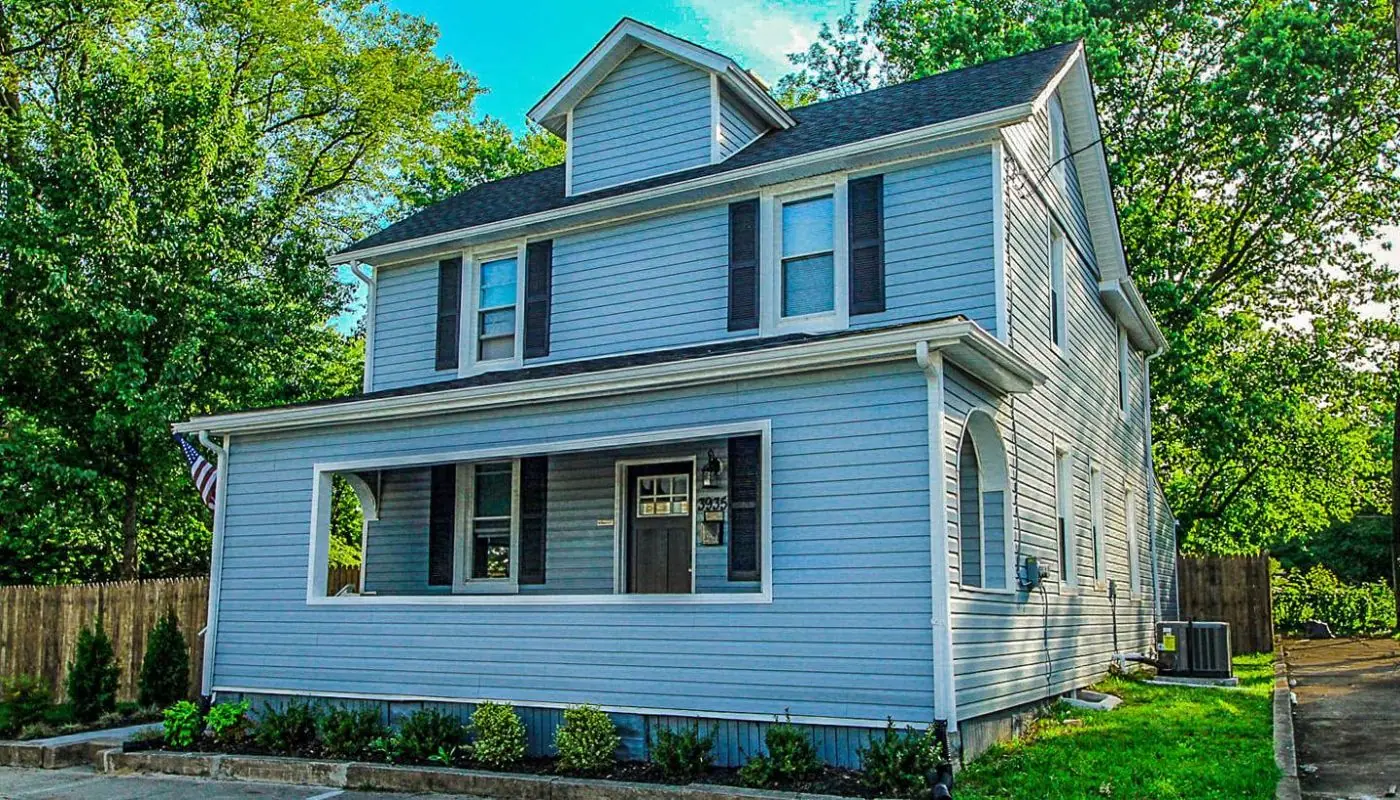
Humble Beginnings Recovery Baltimore serves men in a residential setting on Southern Avenue.
-
Baltimore, MDUsual stay 30 days
- Outpatient
- Co-Occurring Mental Health
Associated Catholic Charities Baltimore operates an outpatient clinic serving people with substance use and mental health needs.
-
Northern Parkway Treatment Services
3.1/516 Google reviews
Baltimore, MDUsual stay 30 days
- Outpatient
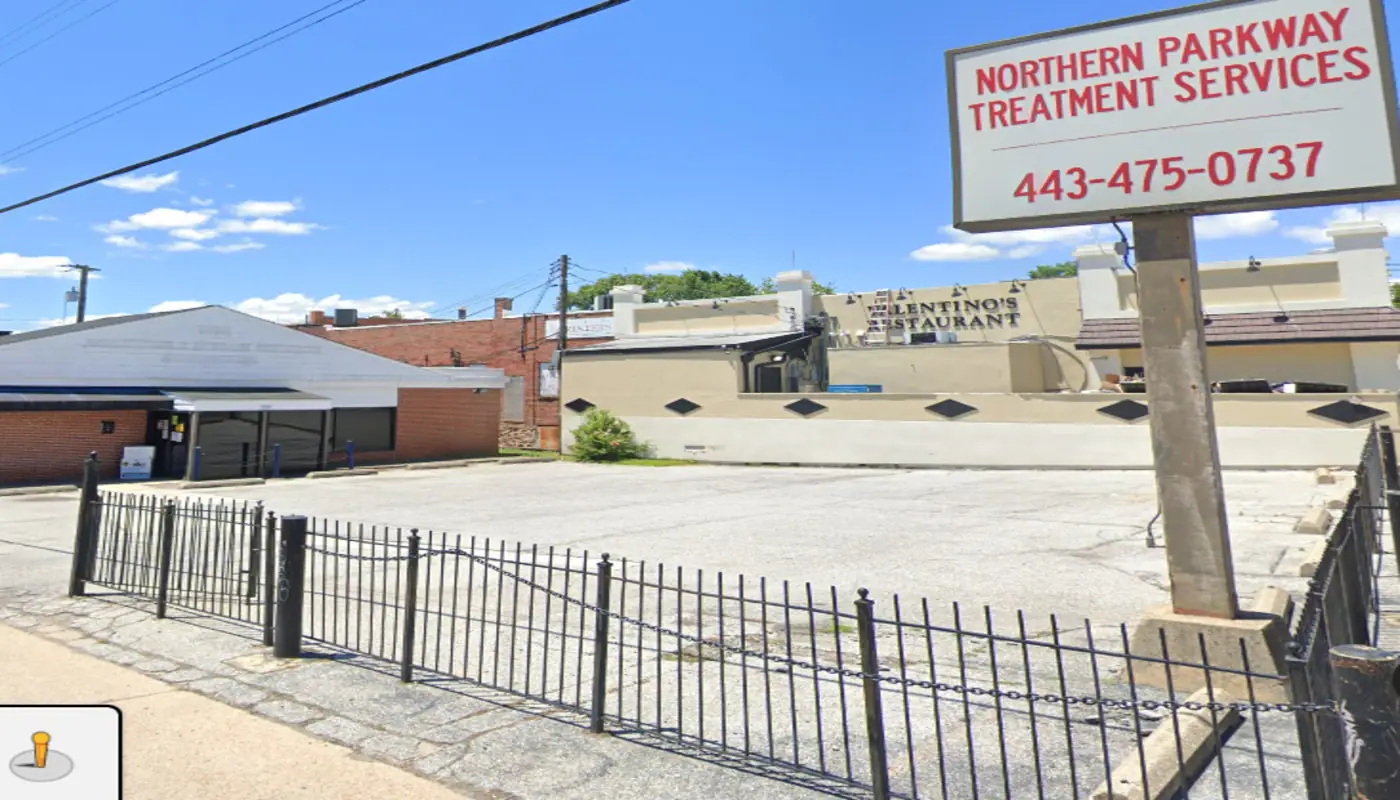
Northern Parkway Treatment Services is an outpatient program on East Northern Parkway in Baltimore.
-
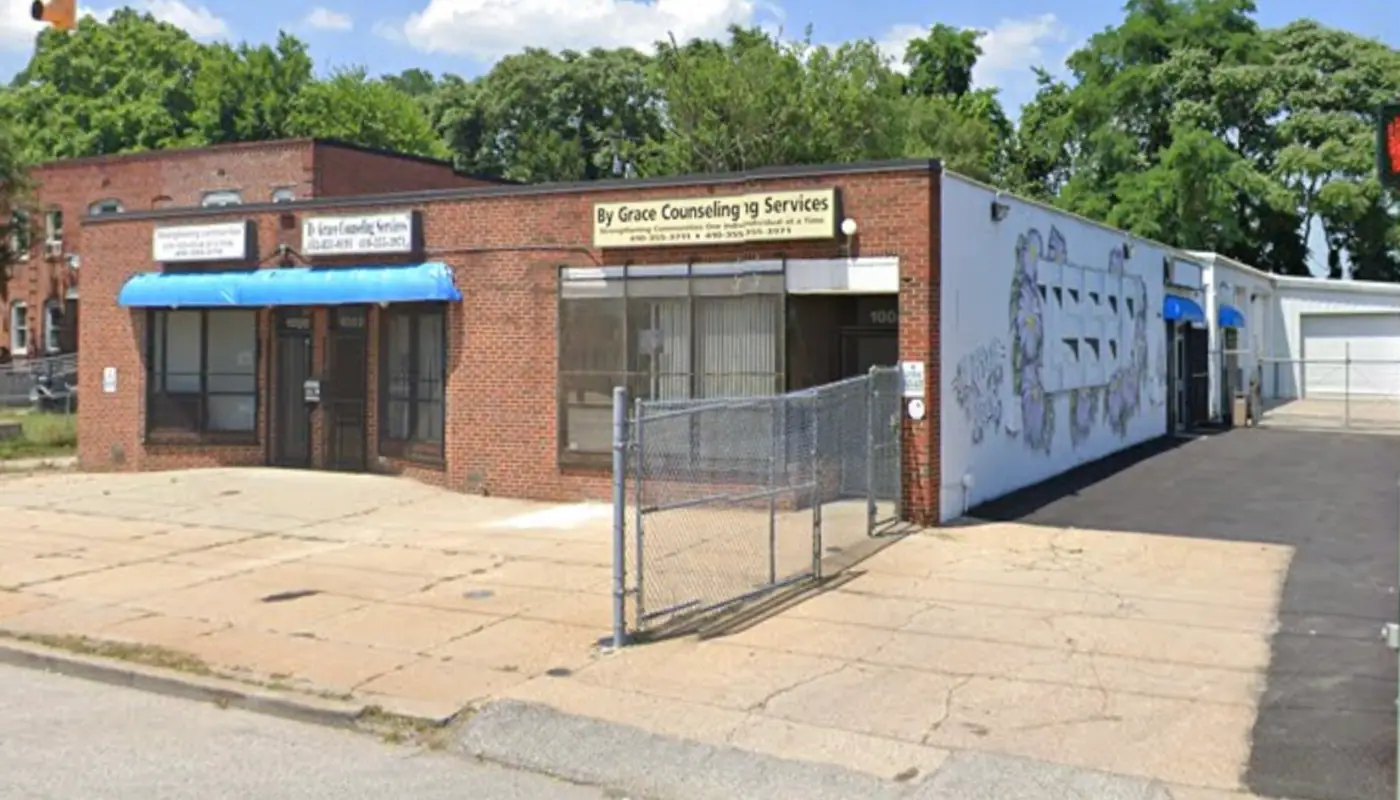
By Grace Counseling Services
Joint CommissionBaltimore, MDUsual stay 30 days31-50 beds
- Outpatient
- Residential Rehab
- Detox
By Grace Counseling Services Baltimore is a treatment program on East Patapsco Ave.
-
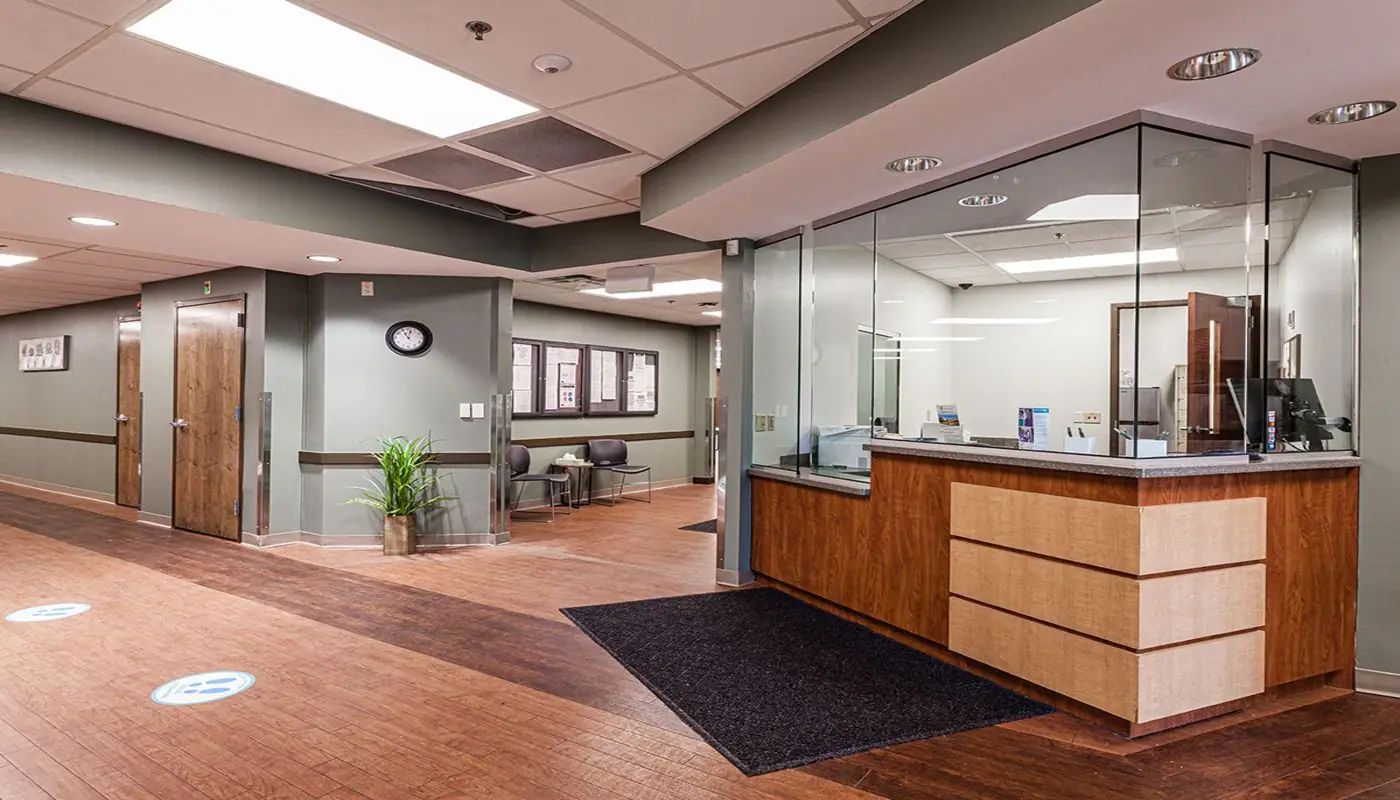
Pine Heights Comprehensive Treatment
4.4/559 Google reviews
Baltimore, MDUsual stay 30+ days
- Outpatient
Pine Heights Comprehensive Treatment Baltimore is an outpatient clinic located on Wilkens Avenue.
-
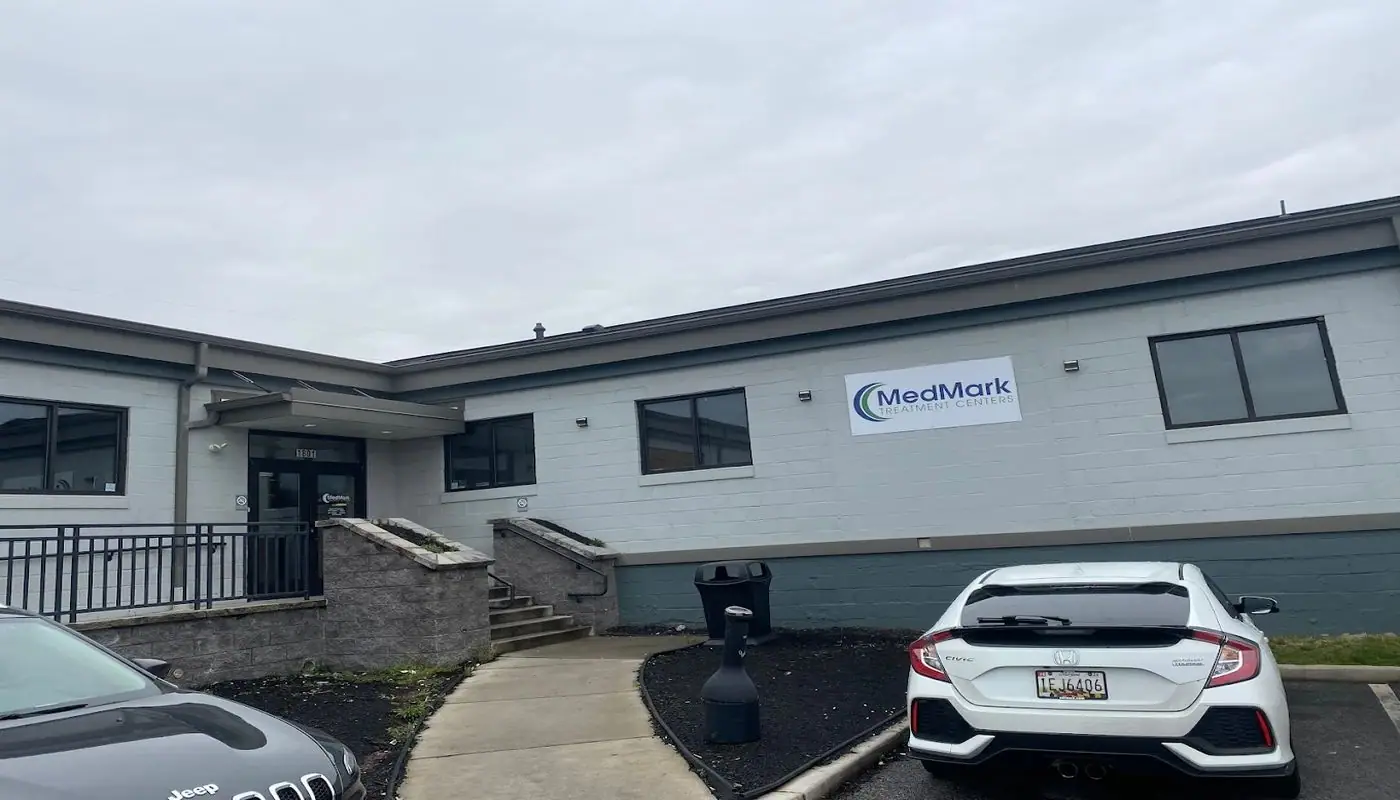
MedMark Treatment Centers Cherry Hill
3.2/538 Google reviews
Baltimore, MDUsual stay 30 days
- Outpatient
- Co-Occurring Mental Health
This page explains what Medmark Treatment Centers Cherry Hill Baltimore offers for opioid dependence.

Questions
How long does outpatient treatment at Total Healthcare Baltimore last?
The typical program length is about five days, which fits the short, structured nature of outpatient care. After that, some people move into continuing care or additional outpatient sessions. Because each person's needs differ, ask during your call how the schedule would be arranged for you or the person you are helping, and whether follow-up sessions are recommended.
Does Total Healthcare in Baltimore accept Medicaid?
Yes, Medicaid is accepted there, and cash pay rates are also offered to people paying directly. Coverage details and any amount you might owe depend on your specific plan, so ask the center to verify your insurance benefits before you make plans. Our helpline can help you begin that check at no cost, and calling decides nothing.
What therapies does this Baltimore drug and alcohol rehab offer?
Offerings cover EMDR, group therapy, cognitive behavioral therapy, therapy focused on trauma, individual counseling, online therapy, family therapy, dialectical behavior therapy and relapse prevention counseling. Care also involves medication support, naltrexone for instance. That range lets clinicians pair practical relapse prevention work with care for trauma and co-occurring disorders.
Can adolescents and older adults get care at Total Healthcare Baltimore?
Yes, the program accepts adolescents, children, men, women, older adults, and young adults, and it addresses co-occurring disorders, chronic relapse, drug addiction, smoking cessation, trauma, and chronic pain management. Counseling is available in English and Spanish. When calling about a family member, share their age and circumstances so the person who answers can suggest what may be appropriate.
Is Total Healthcare Baltimore a residential or outpatient program?
Because this is outpatient care, participants reside at home and come to sessions at the Division Street site. A typical program lasts roughly five days. Outpatient care works well for a person who benefits from regular clinical contact without needing constant supervision. If you are not sure whether outpatient is the appropriate level of care, the helpline offers help sorting it out at no charge.