Rehab for Pregnant Women Maryland
Rehab for pregnant women Maryland lists 162 programs, 25 of them residential. Our helpline costs nothing and helps you weigh the options. The call stays confidential and asks nothing of you.
- programs in Maryland
- 162
- take Medicaid
- 158
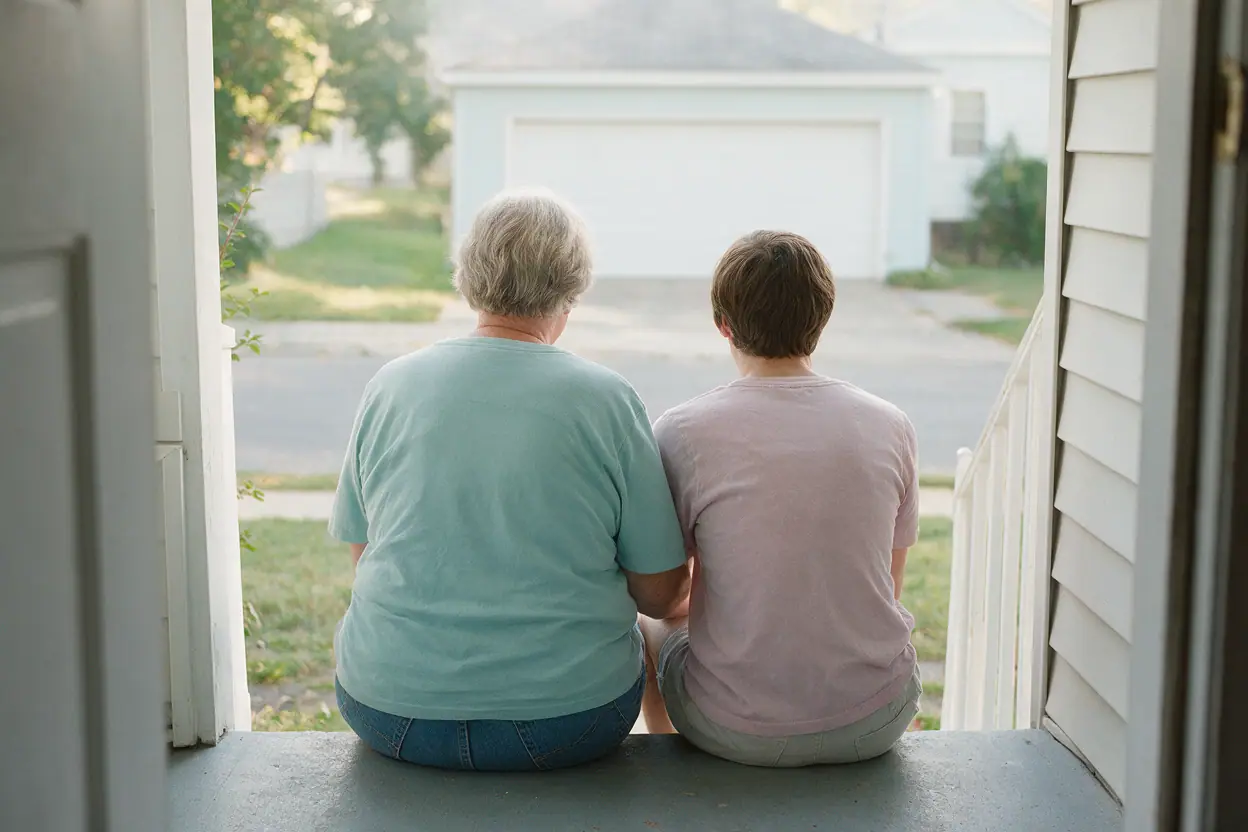
In Maryland, rehab programs for pregnant women coordinate prenatal care with substance use treatment. The state lists 162 such programs, with 25 residential and 151 outpatient. If you're calling on behalf of someone you love, ask about prenatal coordination first. Many people put off seeking help because they fear judgment or losing custody. A suitable program will address those concerns head-on.
Advisors answering our helpline can help you weigh rehab centers in Maryland that accept Medicaid. Nobody here treats patients, and we make no diagnoses. The helpline is staffed by intake advisors who coordinate with licensed centers. Calling is free, stays private, and asks nothing of you. If you are looking for a program where children can stay with their mothers, say so up front.

Why a pregnancy-focused program matters
Programs built for pregnant and postpartum women combine prenatal care, medication safety, and a new mother's everyday needs in a single place. Alcohol withdrawal during pregnancy can be dangerous for someone who drinks heavily, so a clinician should be involved. When a program does not coordinate with obstetric care, ask how medical appointments are arranged before you enroll. The appropriate level of care hinges on how far along the pregnancy is and which substances are in play.
Residential care can make sense when home life is unstable or withdrawal needs monitoring. Outpatient treatment can work when you have safe housing and reliable transportation. Some programs offer dual diagnosis treatment in Baltimore for pregnant women who also have depression or anxiety. If you are on Medicaid, then ask whether the program accepts it before you share personal details. The federal parity law may affect what private insurance covers. We do not promise admission, coverage, or outcomes.

What to ask a treatment program
- Do you coordinate with prenatal care or an obstetric provider?
- Can my child stay with me, and what support is available for postpartum women?
- Will you take Medicaid or private insurance, and what will my cost be?
- How do you handle withdrawal, and is medical supervision available?

Rehab for pregnant women Maryland
Maryland lists 162 programs that serve pregnant and postpartum women, according to SAMHSA FindTreatment.gov. Of these, 25 are residential and 151 offer outpatient care. Medicaid is accepted at 158, and 131 accept private insurance. Rehabs in Maryland that accept Medicaid are the most common option, but verify directly. If you need overnight support, then focus on the 25 residential programs first, since outpatient may not provide the monitoring you need.
- take Medicaid
- 158
- take private insurance
- 131
- take Medicare
- 116
- have a sliding fee scale
- 49
| Provider | City | Levels of care | Coverage |
|---|---|---|---|
| Calvert County Behavioral Health | Prince Frederick | Outpatient | Medicaid, Medicare, Insurance, Sliding fee |
| BornFree Wellness Centers of America | Germantown | Outpatient, OTP | Medicaid, Medicare, Insurance |
| Serenity Health LLC | Aberdeen | Detox, Outpatient, OTP | Medicaid, Medicare, Insurance |
| MATClinics | Annapolis | IOP, Outpatient | Medicaid, Medicare, Insurance |
| Riverside Treatment Services LLC | Halethorpe | Outpatient, OTP | Medicaid, Medicare, Insurance |
| Changing Lives at Home Mental Health | Baltimore | PHP, IOP, Outpatient | Medicaid, Medicare, Insurance |
| Allover Healthcare Group | Baltimore | PHP, IOP, Outpatient | Medicaid, Medicare, Insurance, Sliding fee |
| Prestige Healthcare Resources Inc | Baltimore | IOP, Outpatient | Medicaid, Medicare, Insurance |
Questions
How many rehab for pregnant women Maryland programs are listed?
Maryland lists 162 programs that serve pregnant and postpartum women through SAMHSA FindTreatment.gov. Of those, 25 are residential and 151 are outpatient. Medicaid is accepted at 158, and 131 accept private insurance. These are listings, not endorsements. If you want help narrowing the list, then call our free helpline. Confirm details like prenatal coordination directly with each program.
Can I bring my baby or other children to treatment?
Some programs allow children to stay with their mothers, but not all do. Among the 162 listed programs for pregnant and postpartum women in Maryland, availability varies by facility. Ask each program directly whether children can stay and what supervision is provided. If bringing your child is essential, then start with residential programs, which are more likely to offer family accommodation than outpatient care.
Does Medicaid cover rehab for pregnant women in Maryland?
Of the 162 listed programs for pregnant and postpartum women in Maryland, 158 accept Medicaid. Coverage and eligibility rules differ by program and by your enrollment status. If you are not sure whether you qualify, then ask the program's intake staff before you share financial details. Our helpline is able to help you prepare questions regarding Medicaid, but we cannot confirm coverage or guarantee admission.
Is alcohol withdrawal dangerous during pregnancy?
Halting drinking can be risky, and when someone is pregnant those medical risks grow, so clinicians should oversee the process. Please don't attempt to stop on your own, and take any dosing questions only to a licensed clinician. As MedlinePlus notes, coming off alcohol or benzodiazepines may be serious. If you are pregnant and drinking heavily, reach a medical provider or call our helpline to discuss choices with a medical team watching over things.
What if I need outpatient rather than residential care?
Outpatient care is the more common option in Maryland, with 151 of the 162 listed programs offering it. Outpatient can work well if you have stable housing, transportation, and prenatal care in place. If your home situation is unsafe or you need overnight medical monitoring, then residential care may be the better fit. Ask each program how many days per week you would attend and what happens if you miss a session.